
Comprehensive Quantitative Risk Analysis
Core Values of Safeti QRA
Four essential benefits that Safeti brings to your industrial risk management process
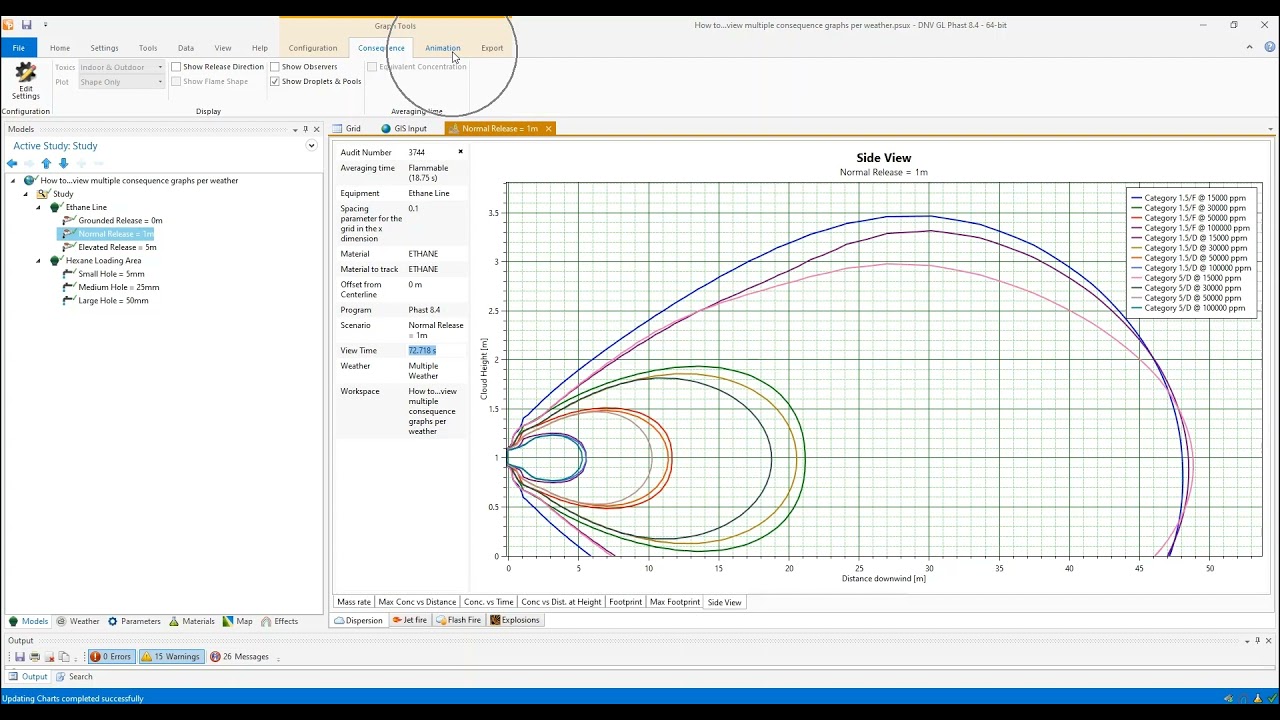
Lifecycle Asset Risk Management
Key Risk Index Assessment for ALARP
Design Based on Risk Analysis Results
CFD Integration for Enhanced Accuracy
Technical Features of Safeti QRA
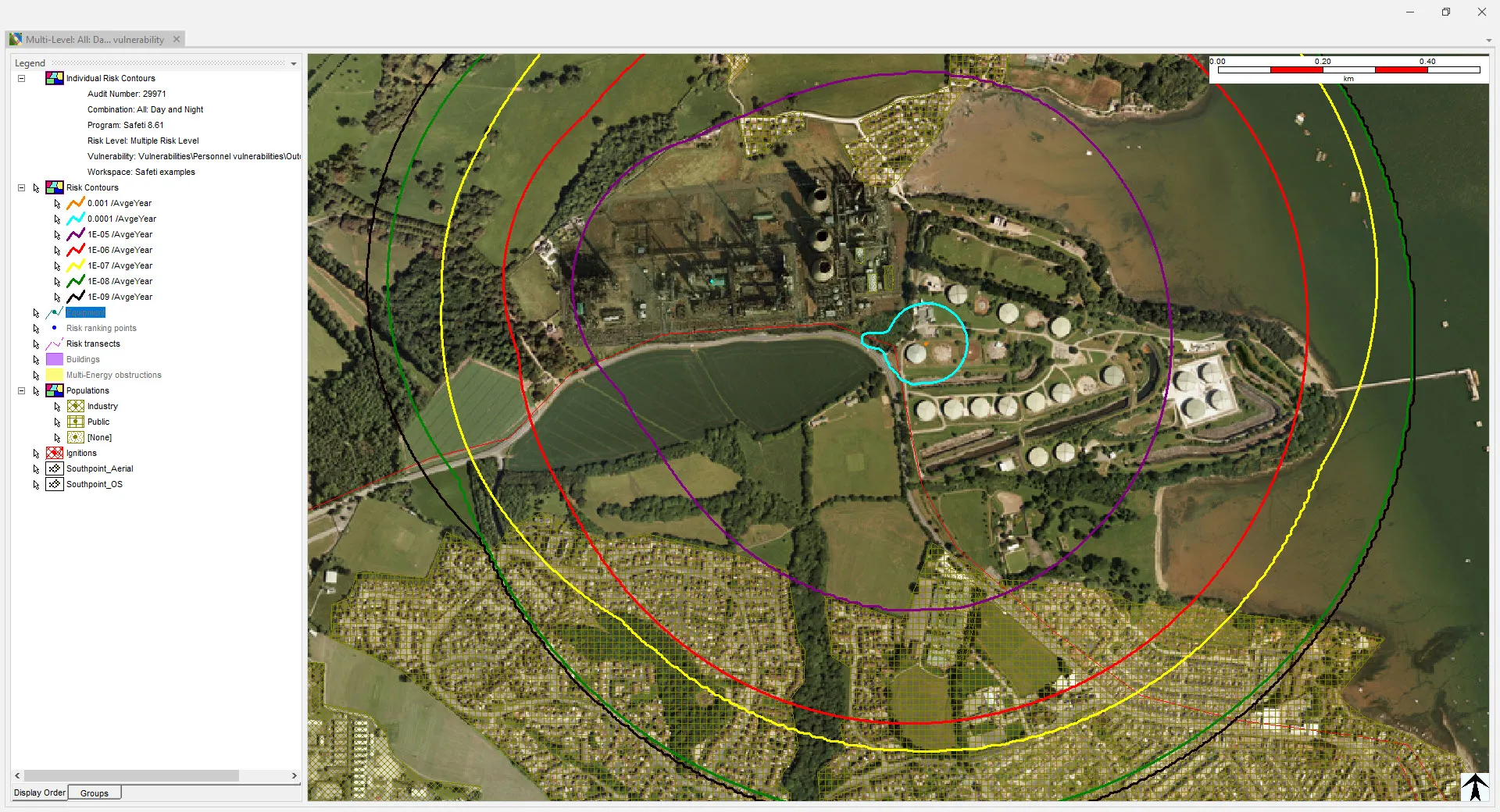
Consequence & Risk Modeling on a Single Interface

Standard Risk Indicators – LSIR, FN, PLL
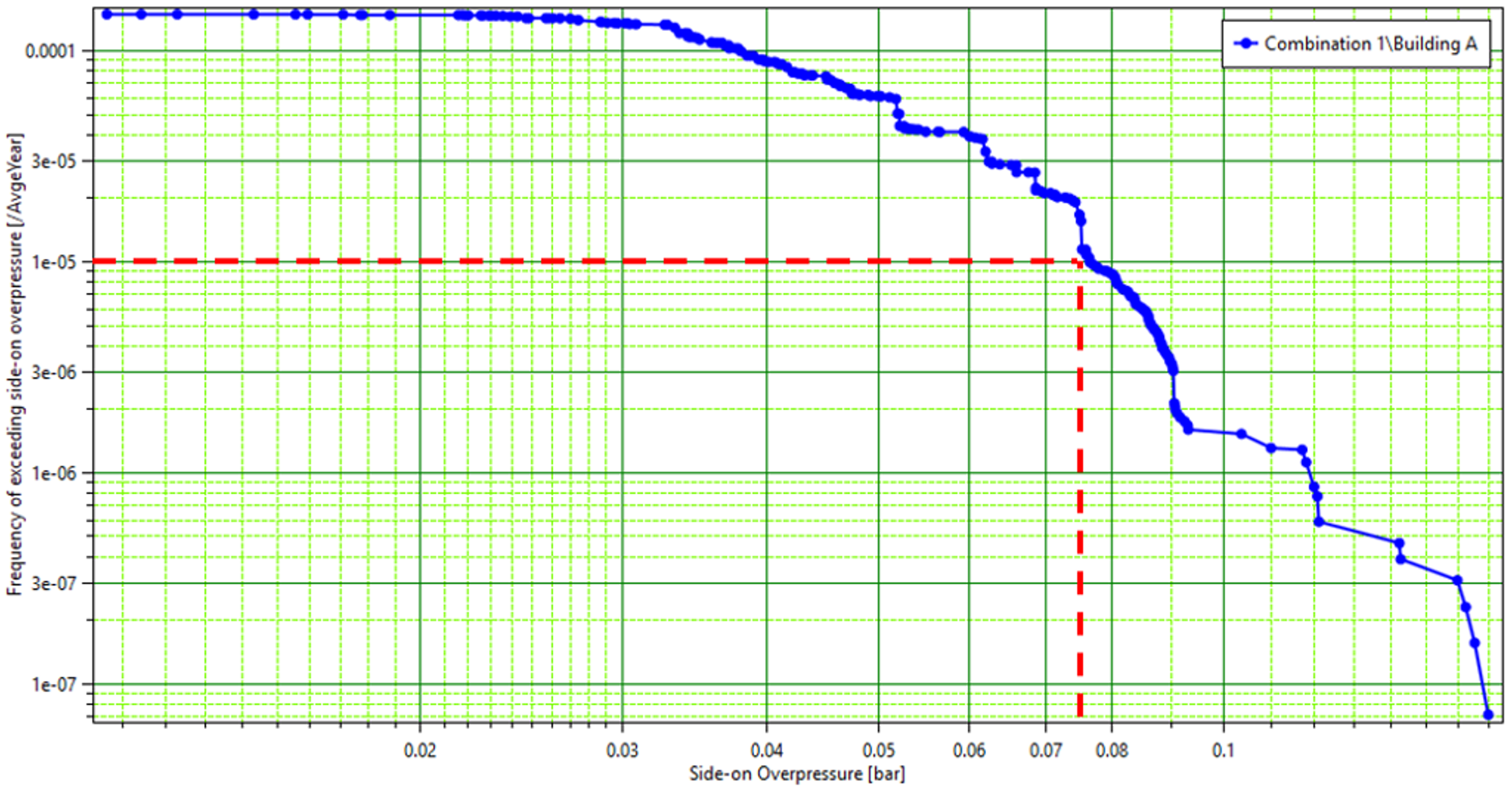
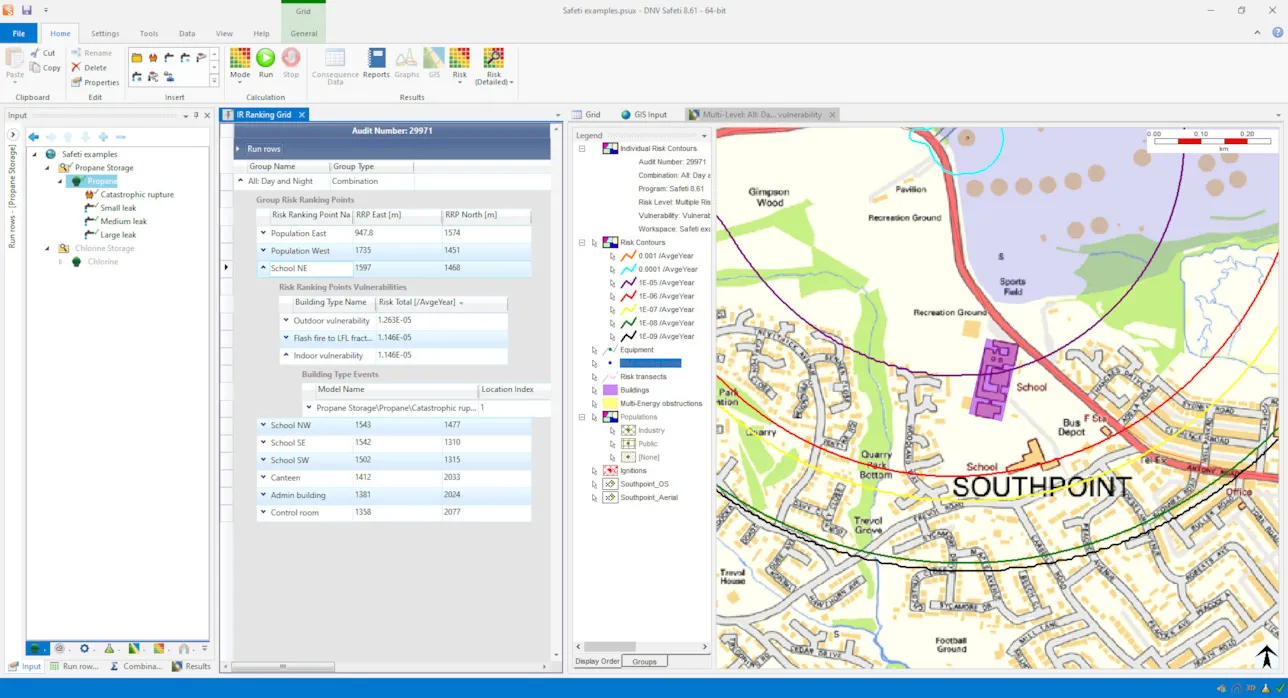
Occupied Building Risk Assessment (OBRA)
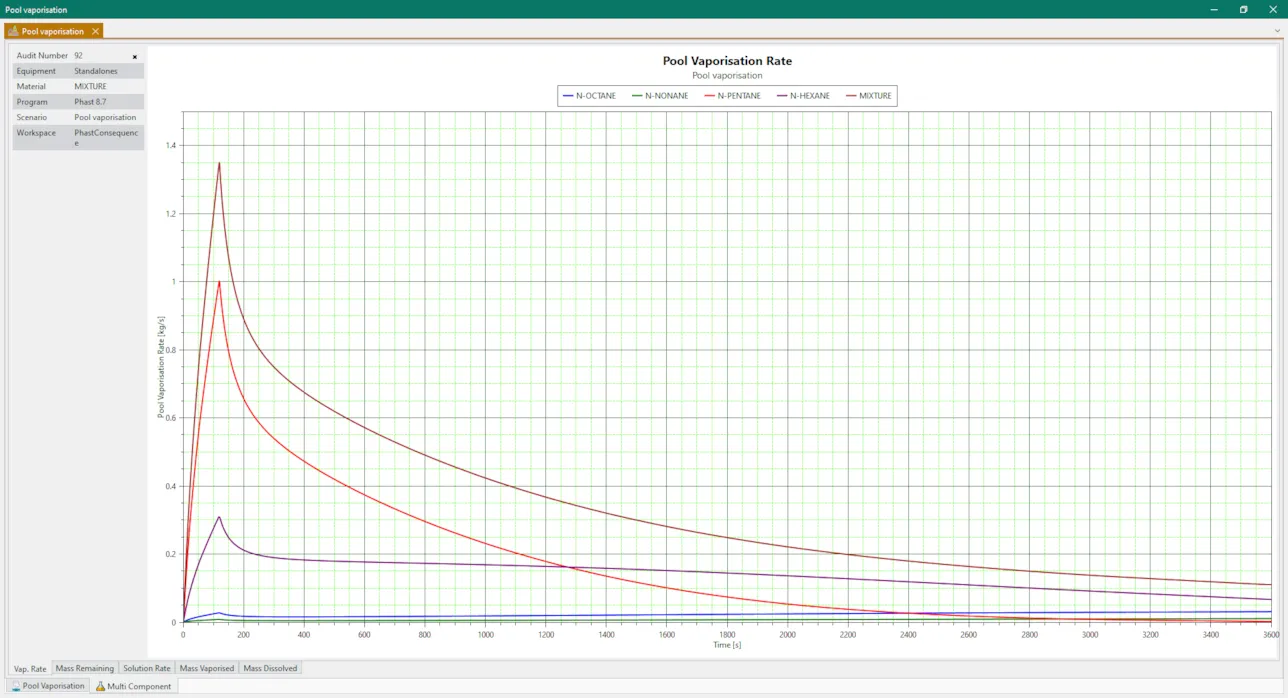
Multi-Component Module
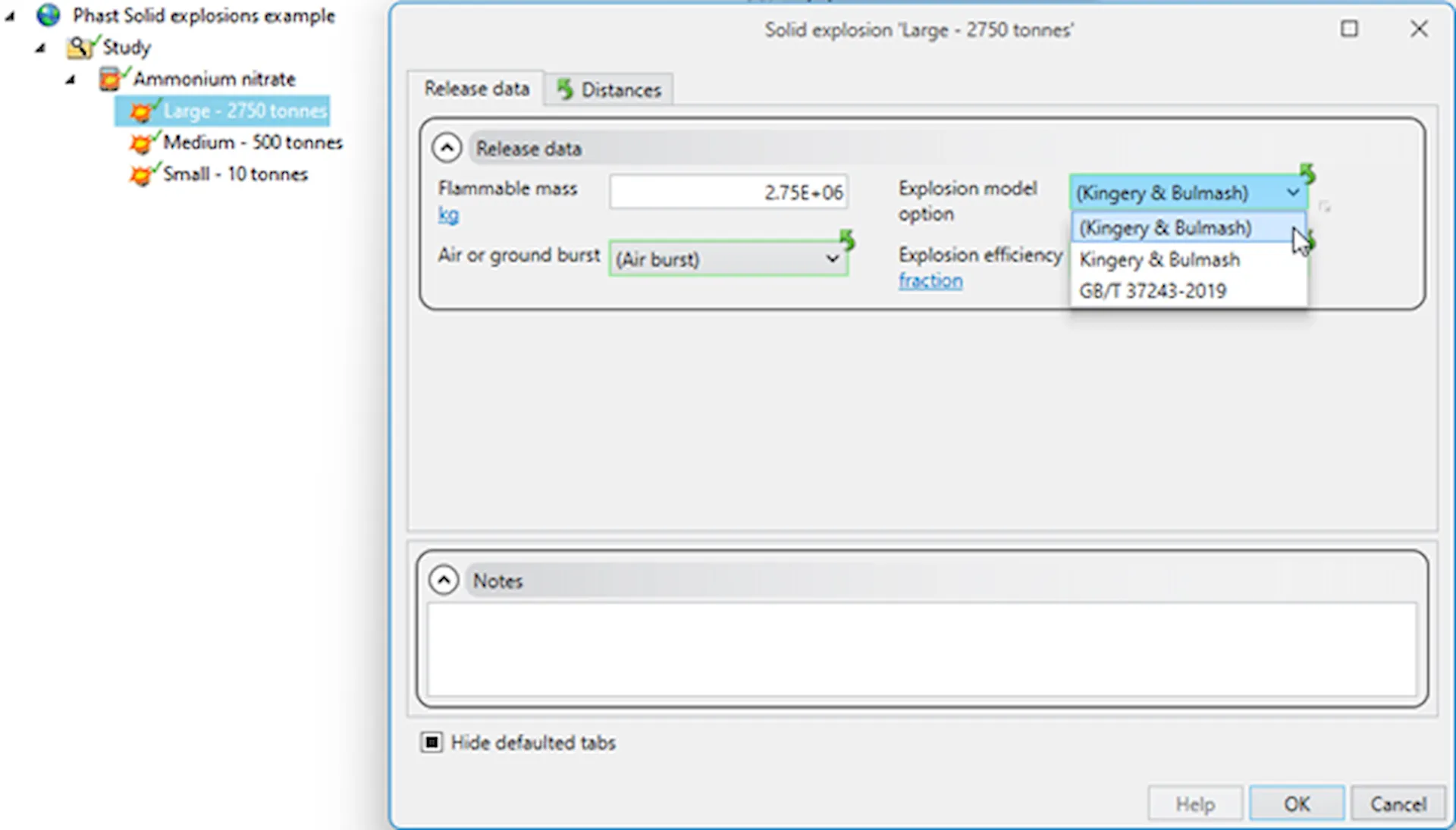
Solid Explosions Module
Sensitivity Analysis & Cost–Benefit Analysis
Safeti QRA Application Industry
Quantitative risk analysis solution for industries with high incident potential

Oil & Gas
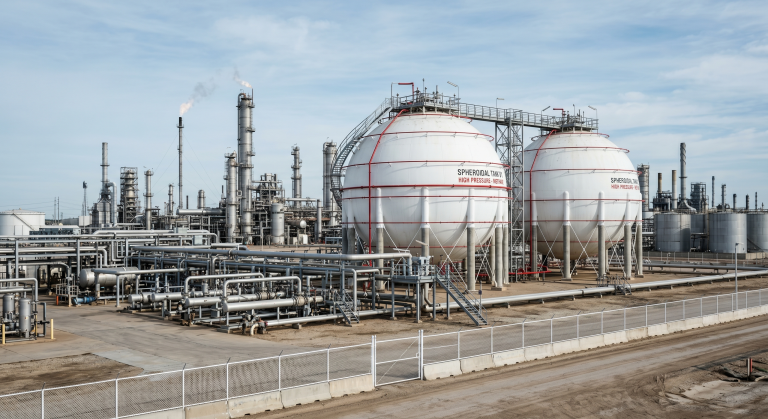
Chemicals & Petrochemicals

New Energy

Industrial & Civil Infrastructure
Frequently Asked Questions about Safeti QRA
Quick answers to common questions from process safety engineers and managers
In addition to the consequence analysis features of Phast, Safeti is commonly used for: cost-benefit analysis, fire and explosion risk assessment (FERA), occupied building risk assessment (OBRA), quantitative risk analysis (QRA), risk-based design, and sensitivity analysis.
Safeti offers a range of flexible subscription and licensing options: subscriptions from 1 day to 3 years, as well as perpetual licenses. Subscription options can be purchased online through DNV’s Veracity platform by credit card or through a sales representative.
Phast focuses on incident consequence analysis (modeling fires, explosions, gas dispersion). Safeti encompasses the full capabilities of Phast and adds quantitative risk analysis capabilities — calculating scenario frequencies, individual risk contours (LSIR), FN curves, and annual probability of loss of life (PLL).
Yes. From version 9.1 onwards, Safeti allows the import of .asc files containing Computational Fluid Dynamics (CFD) simulation results from Phast CFD tools or third-party software. This feature enhances the accuracy of risk assessments, particularly for complex major incident scenarios.
Contact TrueTech – DNV Safeti Distributor in Vietnam
Register for Demo, Get a Quote & Consult on Quantitative Risk Analysis Solutions

