
Simulate Reality. Optimize Design. Boost Performance.
A comprehensive multiphysics finite element analysis (FEA) software that enables EPC, oil & gas, and mechanical engineers to simulate product performance under real-world operating conditions — cutting testing costs and shortening development cycles.
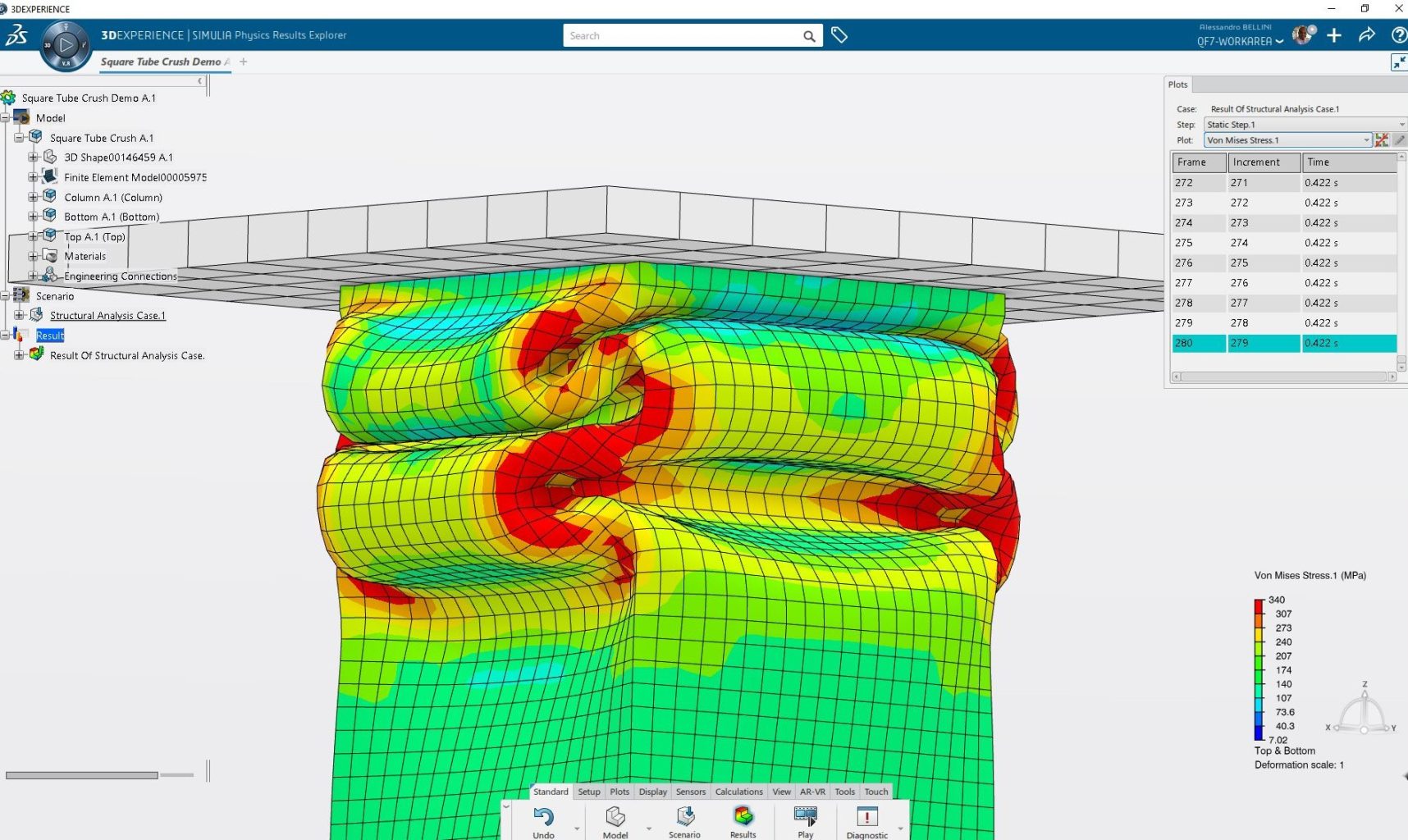
Core Values Delivered by Abaqus
Reduce Physical Testing Costs by Up to 40%
Abaqus replaces most costly physical tests with highly accurate numerical simulation
- Simulate static, dynamic, thermal, and impact loads before building physical prototypes.
- Detect structural weaknesses early directly on CAD models, without waiting for test samples.
- Minimize the number of test prototypes, saving materials and manufacturing time.
- Ideal for large-scale EPC projects, where a single physical test can cost hundreds of millions of Vietnamese Dong.
Optimize Design and Reduce Structural Weight
Abaqus enables engineers to iterate designs rapidly in a simulation environment
- Perform material and geometric nonlinear analysis to identify the optimal solution.
- Eliminate material redundancy while maintaining safety factors in compliance with TCVN standards.
- Support topology optimization for complex mechanical components.
- Lower structural weight → reduce transportation and installation costs at the site.
Evaluate Alternative Materials Performance Before Production
Abaqus’s extensive material library allows engineers to compare performance across different materials
- Supports modeling of metals, composites, polymers, concrete, rubber, and advanced materials.
- Simulate nonlinear material behaviors: plasticity, hyperelasticity, creep, fatigue, and progressive damage.
- Intuitively compare the performance of alternative materials under identical loading conditions.
- Reduce risks when switching materials in real-world projects.
Ensure Optimal Product Performance Before Operation
Abaqus simulates full real-world operating conditions directly on a computer
- Simulate combined loads: mechanical, thermal, pressure, and vibration acting simultaneously.
- Analyze overload and instability conditions to define safety limits.
- Evaluate fatigue life and predict failure time points.
- Minimize risks of on-site incidents and ensure long-term operational safety.
Key Technical Features
Abaqus provides a unified analysis suite, enabling users of all expertise levels to collaborate and share simulation data seamlessly.
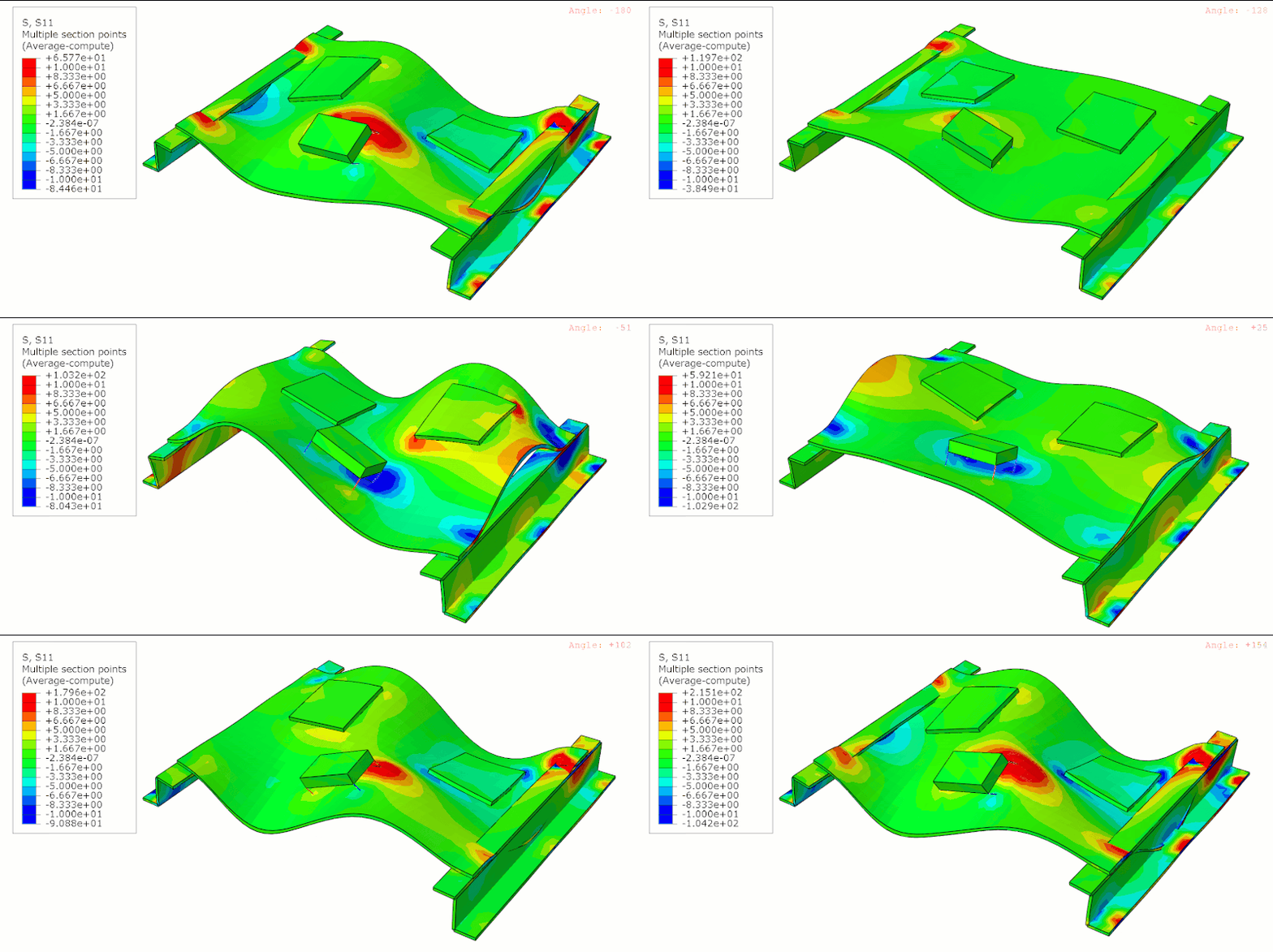
Abaqus/Standard – Static & Nonlinear Analysis
An implicit solver module ideal for static and low-speed dynamic problems
- Solve linear and nonlinear problems (contact, material nonlinearity, large deformation).
- Analyze natural vibration, frequency response, and structural stability.
- Use high-precision implicit methods with AMS (Automatic Stabilization) for large-scale models.
- Transfer data back and forth with Abaqus/Explicit when switching between static and dynamic solutions.
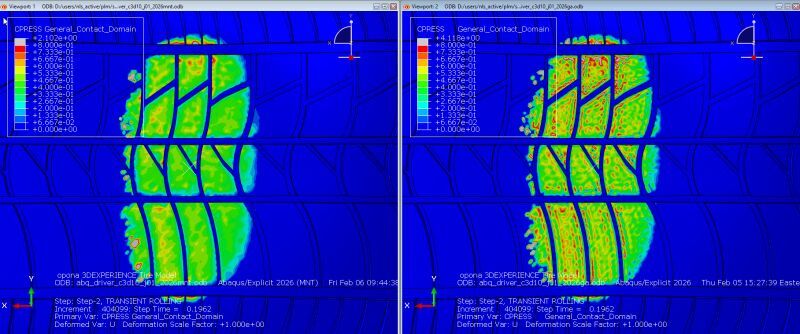
Abaqus/Explicit – Impact & High-Speed Dynamics Simulation
A specialized module for fast dynamic phenomena, impact, and explosion
- Simulate impact, free fall, shock waves, and underwater explosions.
- Solve complex problems using the CEL (Coupled Eulerian-Lagrangian) method.
- Evaluate residual strength after impact or explosion events.
- Analyze spudcan (drilling equipment foundation) performance via CEL method.
- Compatible with the Abaqus Aqua module for wave equation modeling.
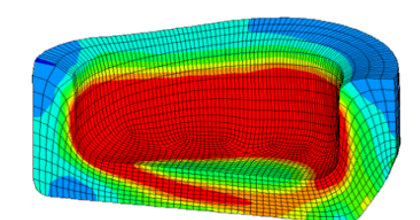
Abaqus Multiphysics – Multiphysics Interaction Simulation
Capable of simulating multiple physical phenomena simultaneously within a unified model
- Thermal–mechanical coupling for high-temperature equipment.
- Electromagnetic–mechanical interaction for electrical devices and sensors.
- Fluid–structure interaction (FSI) for piping systems and valves.
- Fluid–structure analysis for oil & gas and marine applications.
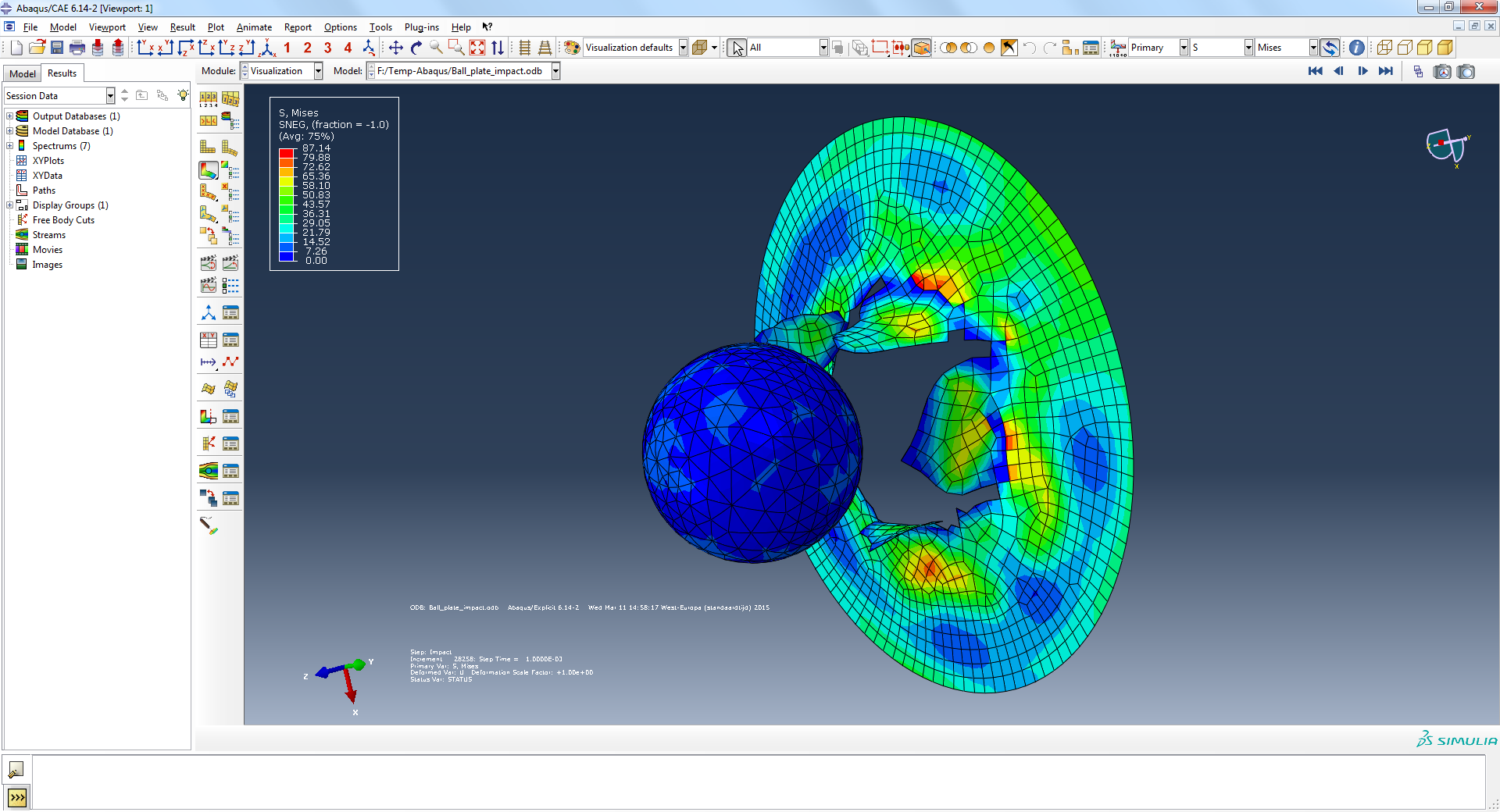
Abaqus/CAE – Modeling & Post-Processing Environment
An intuitive graphical interface that integrates the entire analysis workflow in one environment
- 2D/3D modeling tools: create solids, surfaces; cut, rotate, extrude, mirror, and duplicate features.
- Powerful meshing capabilities: multiple meshing methods, control element size, and compatibility with legacy meshes.
- Extensive element library: beams, trusses, shells, solids — suitable for all problem types.
- Direct CAD integration with CATIA, SolidWorks, Pro/ENGINEER.
- Automate workflows to reduce pre-processing and post-processing time.
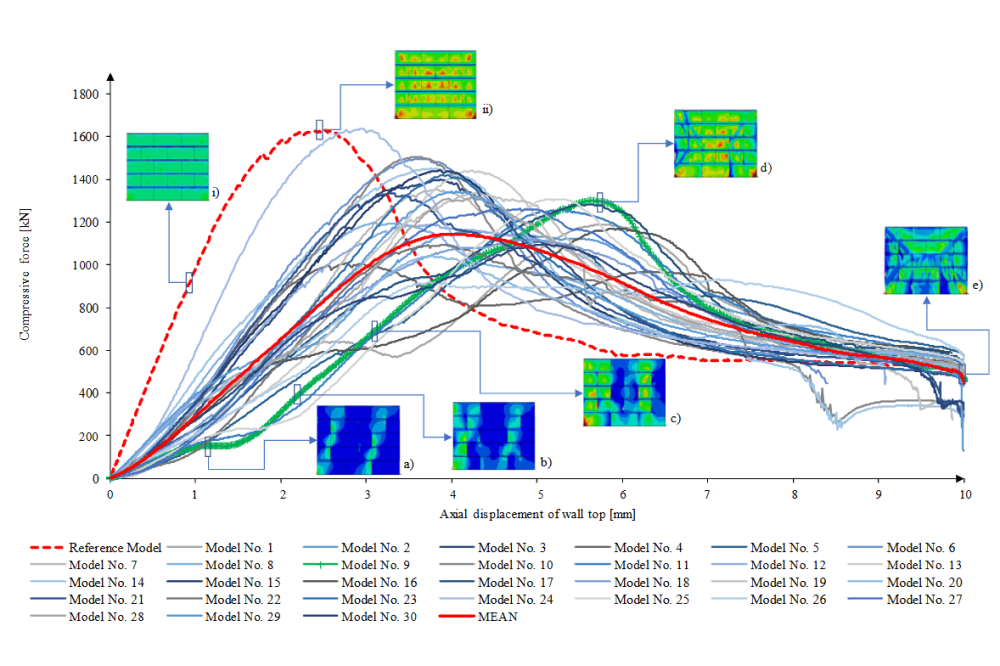
High-Performance Computing (HPC) – Large-Scale Model Processing
Scalable computing capabilities for complex industrial models
- Support parallel computing across multiple CPUs and GPUs.
- Highly scalable for models with millions of elements.
- Reduce computation time from hours to minutes for large-scale problems.
- Ideal for full-assembly structural analysis instead of only individual component modeling.
Abaqus Aqua – Fluid–Structure Analysis & Wave Simulation
A specialized module for marine and offshore oil & gas industries
- Solve fluid–structure interaction problems.
- Integrate with Abaqus Aqua to define wave equations.
- Analyze wave and current loads on offshore structures.
- Applications include drilling rigs, subsea pipelines, and marine equipment.
Abaqus by the Numbers
0
Physical prototype reduction
0
Structural analysis time reduction
0
Number of material types in library
Real-World Applications
From oil & gas to aerospace, Abaqus meets the most stringent simulation requirements.
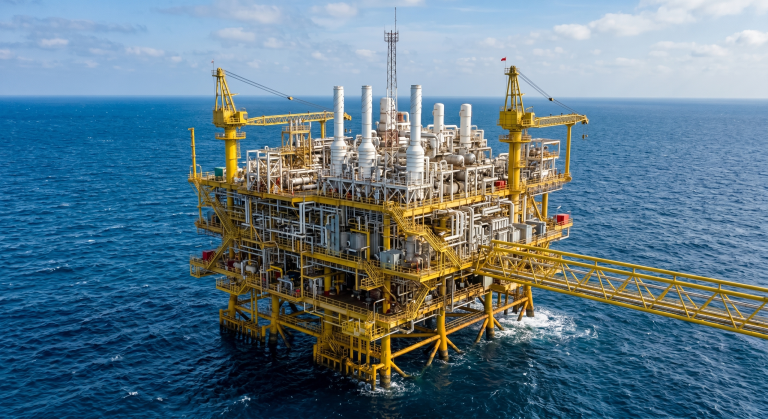
Oil & Gas & EPC
- Structural analysis of drilling rigs, subsea pipelines, and pressure equipment.
- Simulate wave loads, currents, and seabed pressure.
- Evaluate strength of welds, joints, and offshore foundations (Spudcan – CEL).
- Analyze explosions and shock waves for safety systems in refineries.
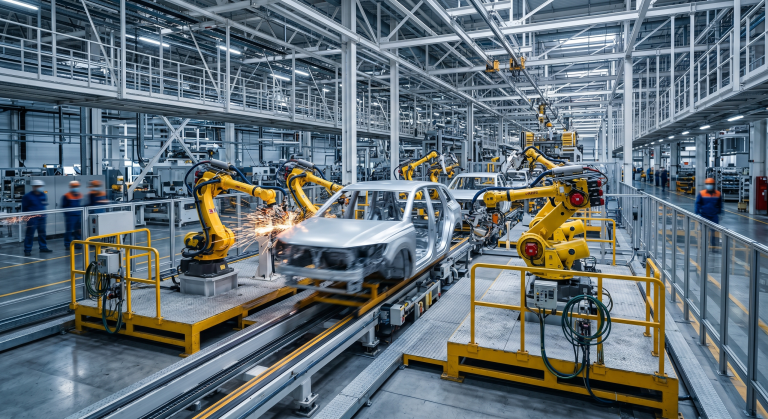
Machinery Manufacturing & Industrial Production
- Simulate mechanical components: gears, shafts, machine frames, and transmission systems.
- Analyze fatigue and service life of parts under cyclic loads.
- Topology optimization to reduce weight and material costs.
- Evaluate performance of alternative materials (steel, aluminum, composites) before mass production.
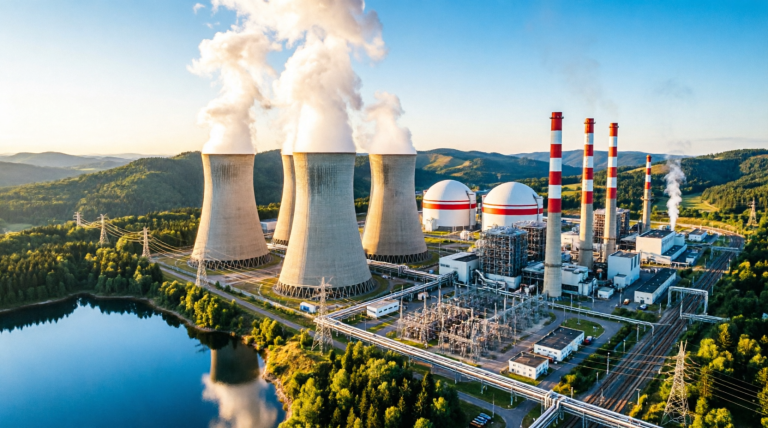
Thermal Power & Energy
- Thermal/structural analysis for boilers, superheated steam pipelines, and turbines.
- Simulate creep and progressive damage for high-temperature materials.
- Evaluate pressure equipment safety in compliance with ASME and TCVN standards.
- Optimize maintenance schedules based on simulated service life results.
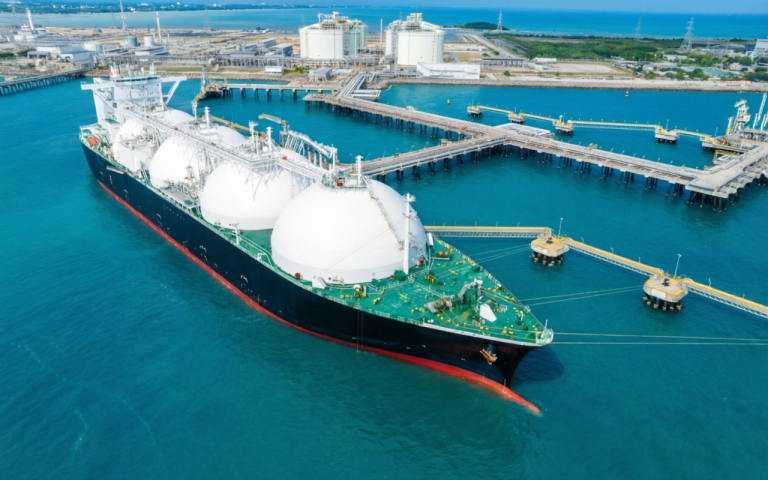
Marine & Offshore Structures
- Structural analysis of ships, floating units (FPSO, semi-submersible), and mooring systems.
- Simulate wave–structure interaction using Abaqus Aqua.
- Evaluate underwater explosion effects for commercial and naval vessels.
- Analyze spudcan performance via CEL method for mobile drilling equipment.

Aerospace & Defense
- Composite structure analysis for aircraft: wings, fuselage, panels.
- Simulate bird strike impact and cabin pressure loads.
- Evaluate structural fatigue under flight cycle loads (pressurization cycles).
- Optimize structural weight to reduce fuel consumption.

Construction & Infrastructure
- Reinforced concrete and steel structure analysis for bridges and high-rise buildings.
- Simulate seismic and wind loads.
- Evaluate nonlinear behavior of concrete: cracking, failure, and steel–concrete interaction.
- Buckling analysis for columns, beams, and thin-walled structures.
Frequently Asked Questions
Abaqus (from Dassault Systèmes SIMULIA) stands out for its advanced nonlinear analysis capabilities and comprehensive multiphysics simulation. Key differences:
- Advanced nonlinearity: Abaqus handles complex contact, nonlinear materials (hyperelasticity, creep, progressive damage), and large deformation with industry-leading accuracy.
- Explicit dynamics: The Abaqus/Explicit module is specialized for impact, explosion, and shock wave simulation — outperforming many other FEA solutions in this area.
- Integration within the 3DEXPERIENCE ecosystem: Abaqus connects seamlessly with CATIA, SIMULIA, and ENOVIA on Dassault Systèmes’ 3DEXPERIENCE platform.
Abaqus/CAE features direct integration with leading CAD software:
- CATIA (Dassault Systèmes)
- SolidWorks (Dassault Systèmes)
- Pro/ENGINEER / Creo (PTC)
- Supports import of STEP, IGES, Parasolid, and many other standard neutral formats. CAD imports preserve geometric properties, reducing time spent rebuilding models.
Yes. Abaqus is a top choice for the offshore oil & gas industry due to:
- The Abaqus Aqua module, which defines wave equations to simulate wave and current loads.
- Spudcan analysis using the CEL (Coupled Eulerian-Lagrangian) method.
- Underwater explosion and shock wave analysis for safety systems.
- Compliance with international standards: API, DNV, ASME.
Yes. Abaqus supports high-performance computing with these capabilities:
- Parallel processing across multiple CPUs.
- GPU computing support for selected problem types.
- Scalable performance for models with millions of elements.
- Significant reduction in computation time, especially for explicit dynamics and large multiphysics models.
Ready to Deploy Abaqus for Your Projects?
Contact the True Technology Co., Ltd team for consultation on the most suitable Abaqus solutions
Official distributor of Dassault Systèmes SIMULIA in Vietnam
Support for deployment, training, and full-lifecycle maintenance
Served clients across industries: oil & gas, EPC, machinery manufacturing, energy, construction

