
The Leading Standard in Pipeline Flow Analysis
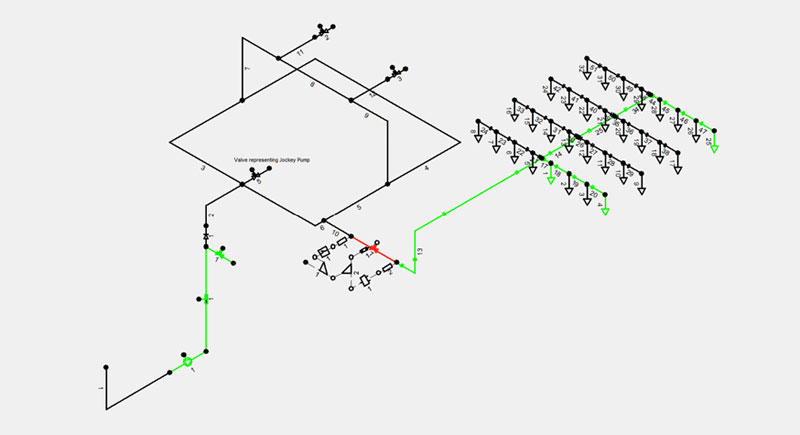
Versions
Standard version for steady‑state calculations, Spray/Sprinkler for fire safety system design, Transient for simulation and analysis of transient phenomena in pipelines. The three modules complement each other, covering the entire design workflow for industrial piping systems.
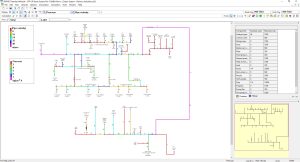
PIPENET® Vision Standard Module
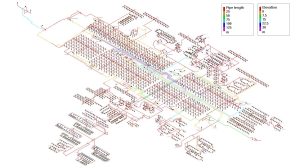
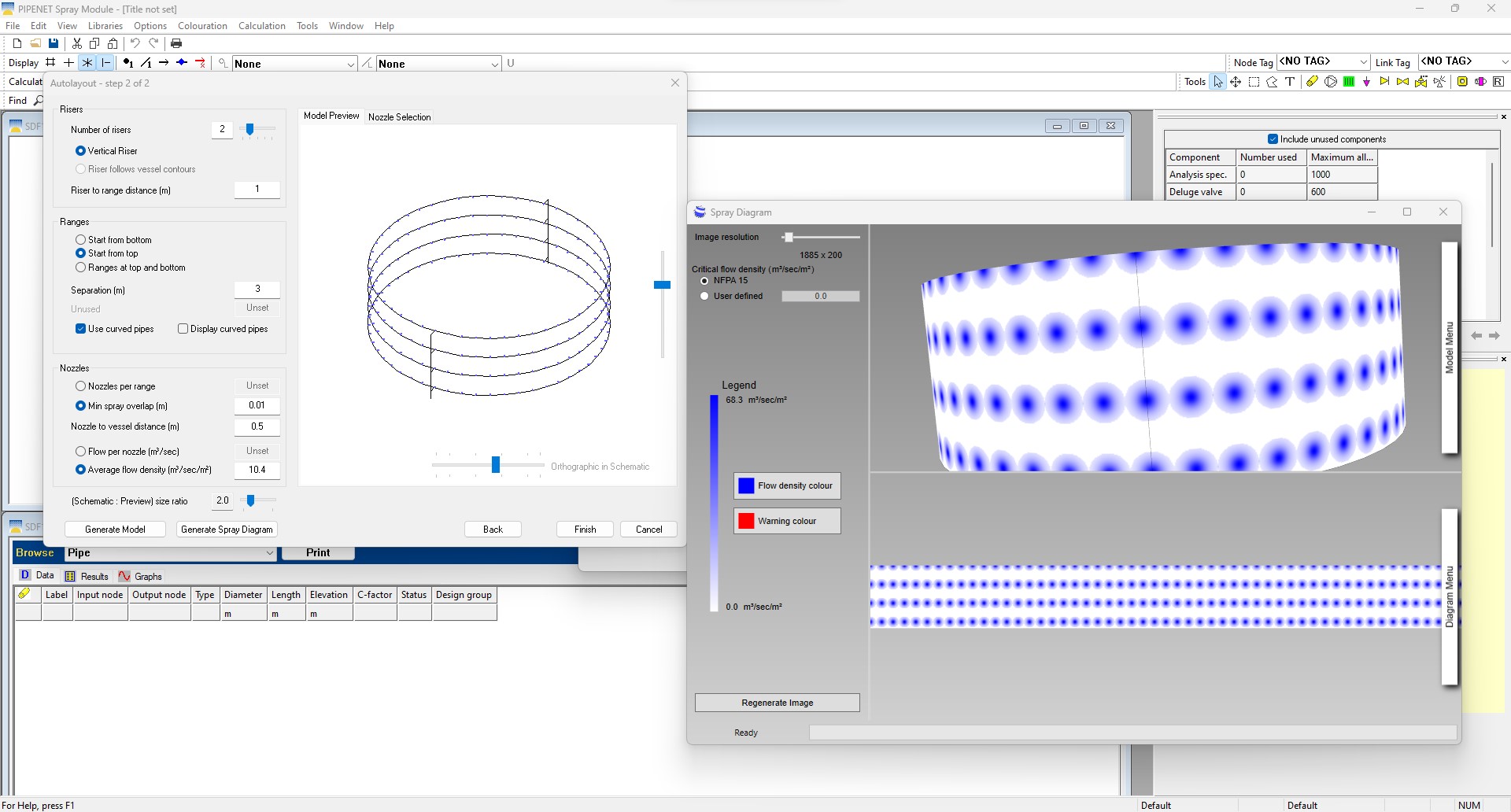
PIPENET® Vision Spray/Sprinkler Module
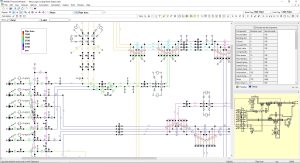
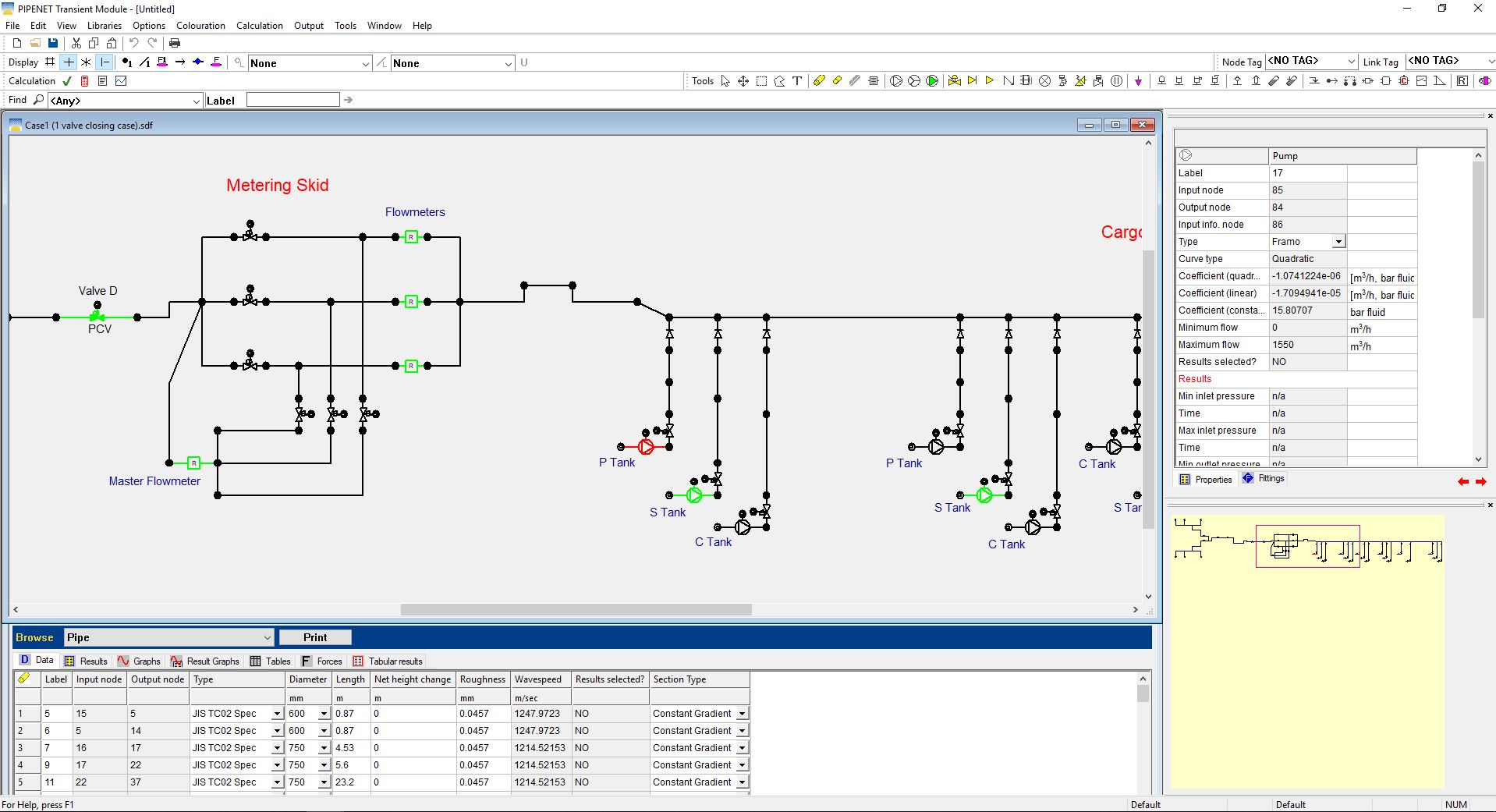
PIPENET® Vision Transient Module
Core Values PIPENET Brings to EPC Projects
Why do thousands of companies worldwide select PIPENET as their standard tool for piping system design?
Leading Standards in Flow Analysis
Broad Application Across Heavy Industries
Extensive Unit Libraries & Pump Characteristics Database
Continuous Updates & Technology Leadership
Flexible Data Import & Export
Key Technical Features of PIPENET
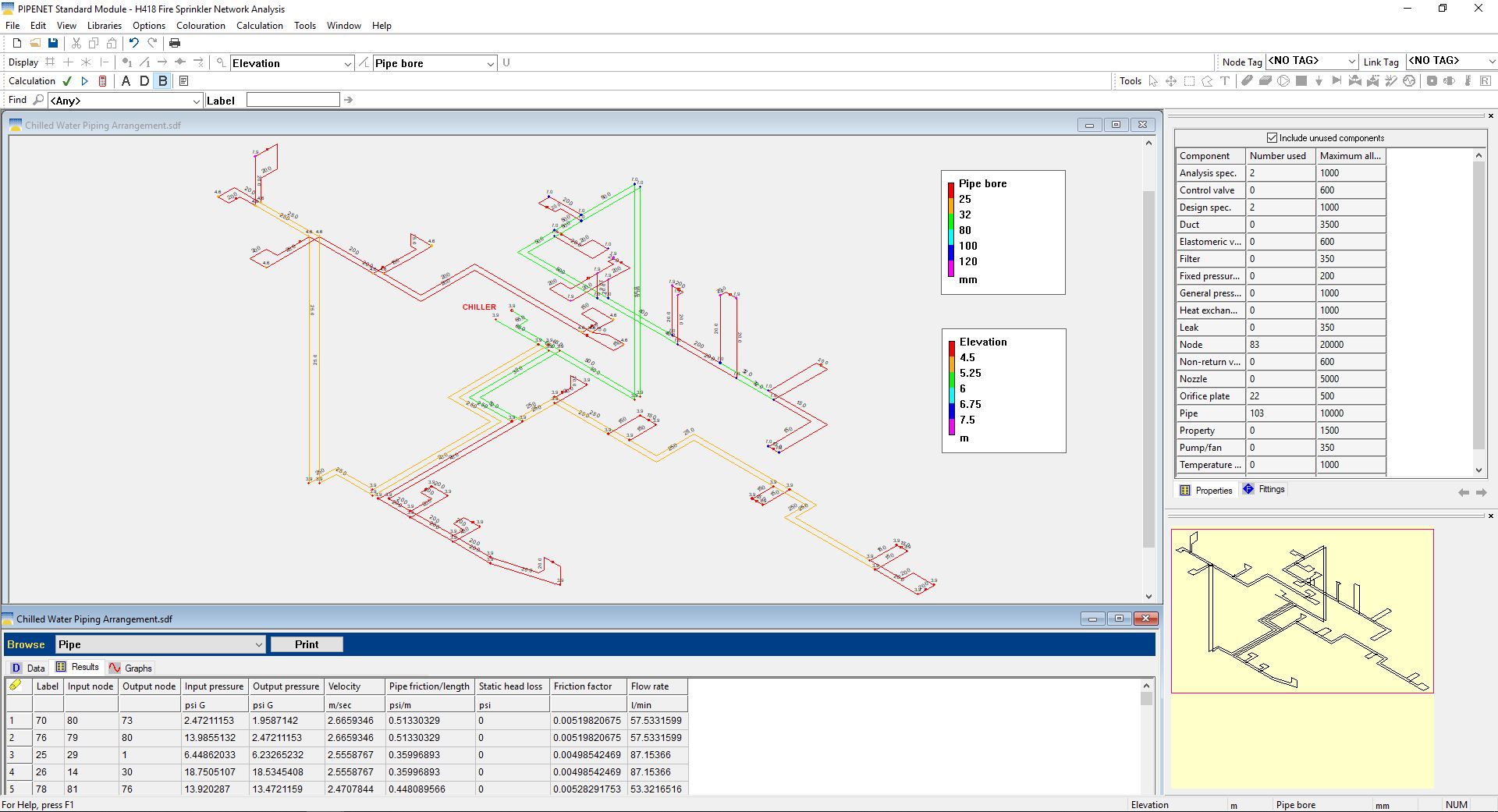
Three Specialized Modules
- PIPENET Standard: Steady‑state flow analysis for liquids, gases, and steam — including HVAC systems, process piping, and utility networks.
- PIPENET Spray/Sprinkler: Fire protection system design compliant with NFPA 13, NFPA 15, and NFPA 16 — covering automatic sprinkler systems, deluge systems, ringmains, foam solution, and foam concentrate systems.
- PIPENET Transient: Dynamic phenomenon analysis — water hammer, steam hammer, transient hydraulic force calculation, and export of force‑time history files for pipe stress analysis.
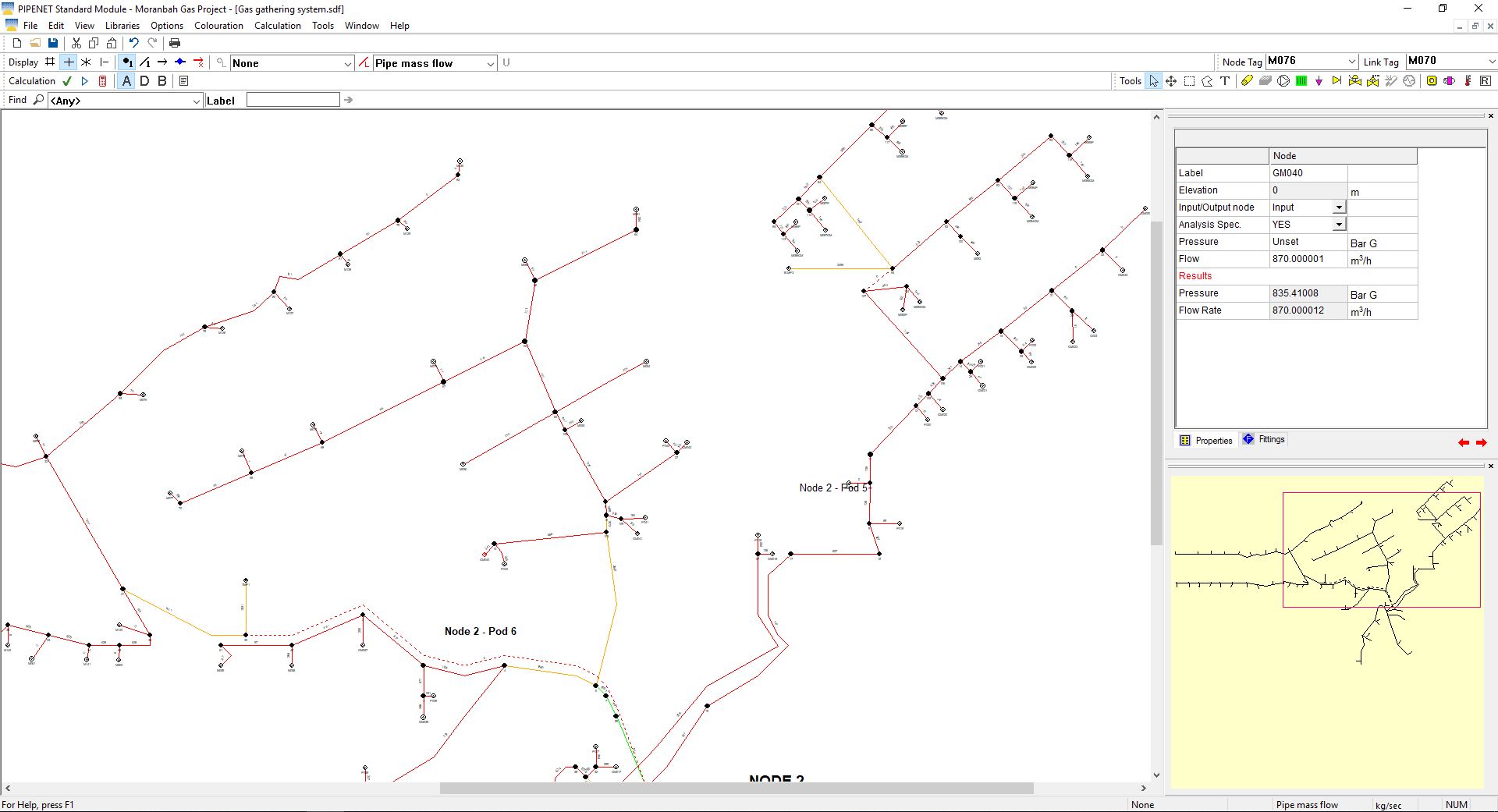
Multi‑Method Hydraulic Calculation
- Hazen‑Williams: Widely used for water supply and fire protection system design.
- Darcy‑Weisbach: High‑accuracy method for analysis of liquid, gas, and steam flow under complex operating conditions.
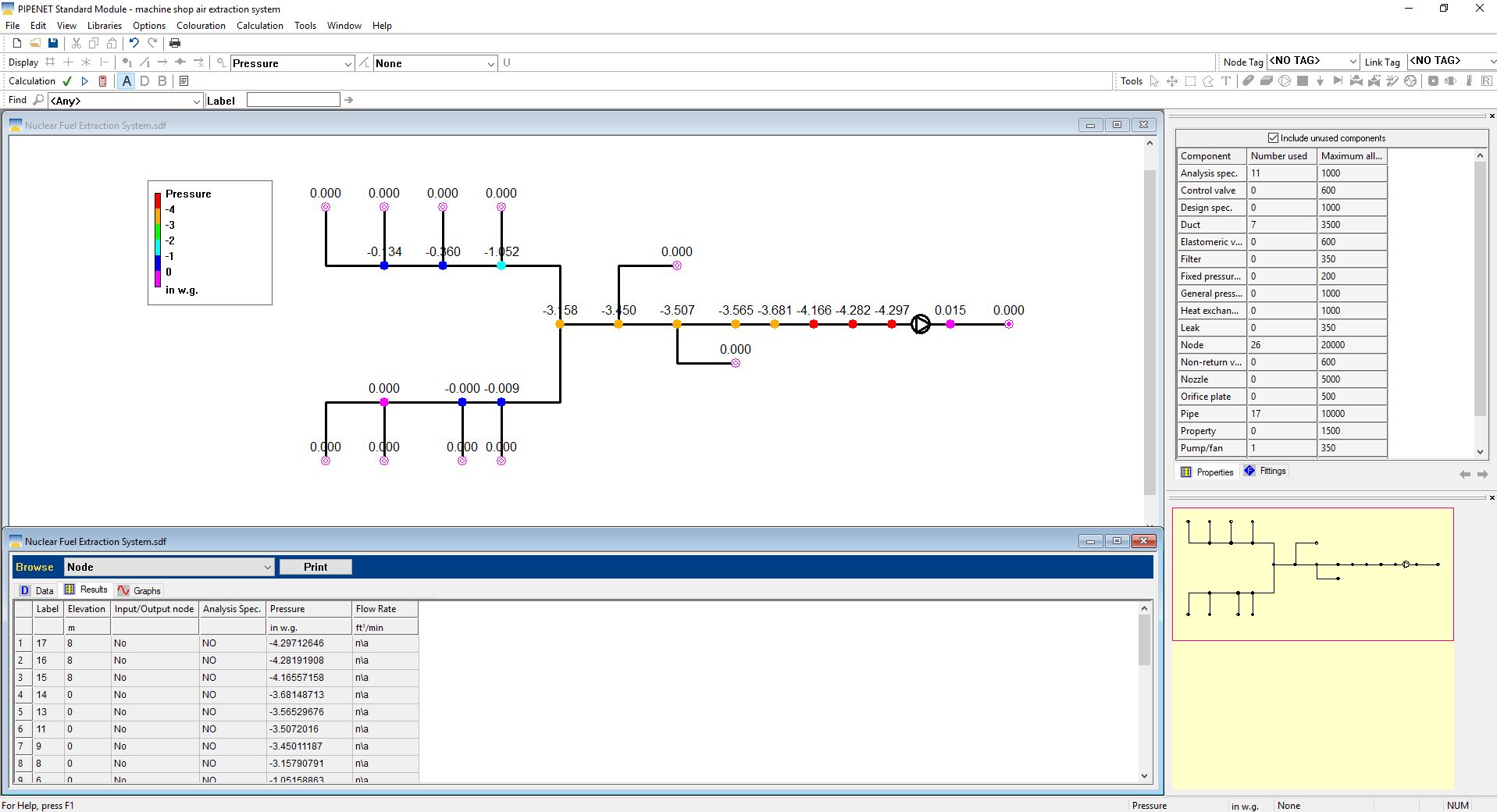
NFPA‑Compliant Fire Safety System Design
- Solves hydraulic analysis problems per international and local standards.
- Exclusive Autolayout feature reduces design time by days.
- Supports calculations for: fire pump capacity, pump selection based on manufacturer performance curves, and orifice plate sizing.
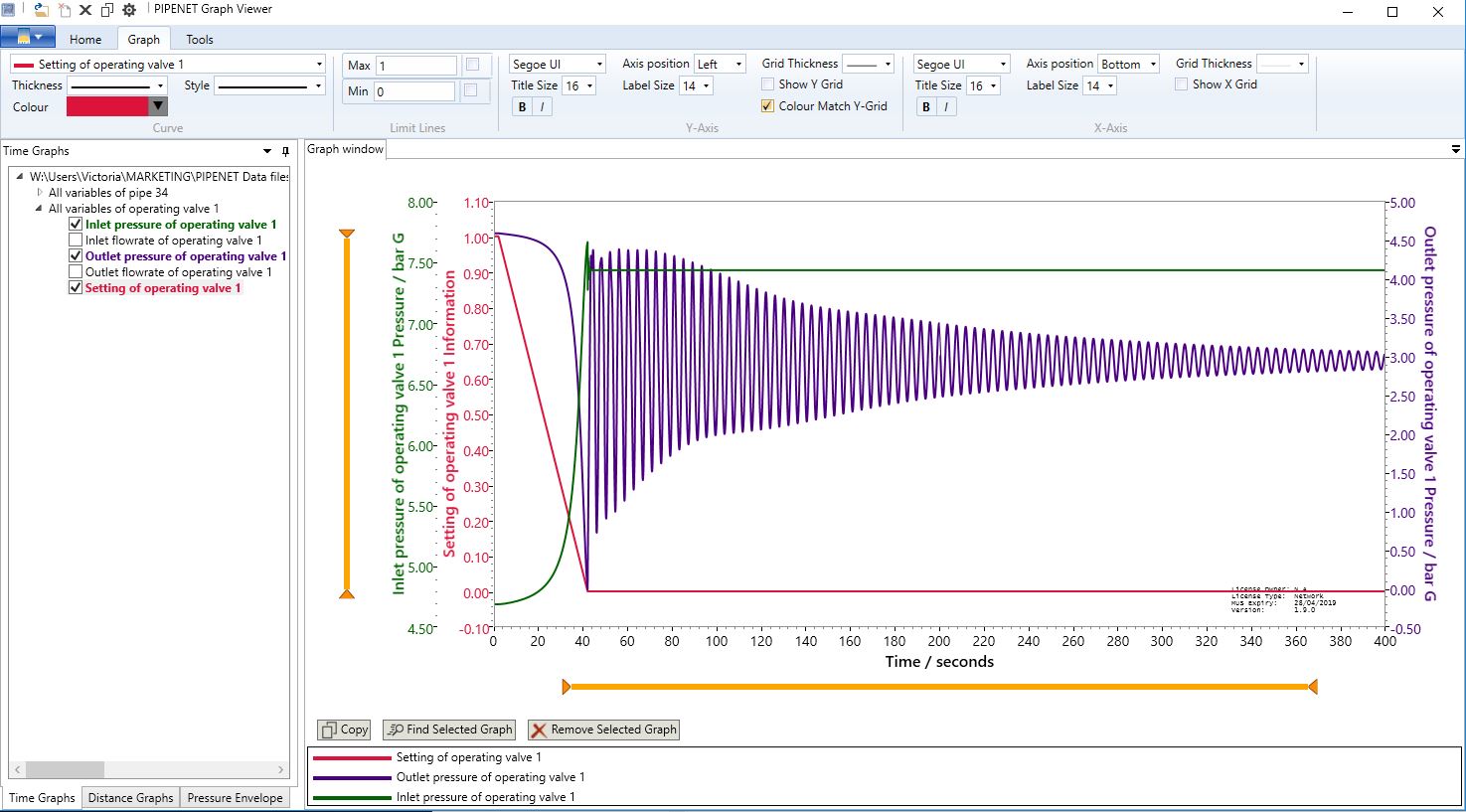
Transient & Water Hammer Simulation
- Surge pressure analysis (pressure transients / water hammer / steam hammer).
- Modeling of process control systems.
- Transient hydraulic force calculation and generation of force‑time history files for pipe stress analysis software.
- Simulation of emergency valve closure and pipe rupture or burst events.
- Definition of time‑dependent boundary conditions.
Data Exchange & Software Integration
- Input data in isometric or orthogonal formats; direct copy‑paste from spreadsheets.
- Import background drawings for system schematics.
- Export results as data tables or visual diagrams.
- Generate force‑time history files for finite element analysis (FEA) and stress analysis applications.
- Spreadsheet‑compatible data entry tables support copy‑paste operations.
Advanced Modeling & Customizable Libraries
- Accurate pipe sizing for entire networks.
- Orifice plate diameter calculation or direct input.
- Modeling of cavitation and leakage.
- Fluid properties and temperature may vary by node and pipe segment.
- User‑definable libraries: pipe schedules, nozzles, deluge valves, and internal pipe linings.
- Selection of calculation modes: Most Remote Nozzle hydraulic mode or inlet pressure/flow mode.
PIPENET Trusted Worldwide
Over 25 years of proven application in key industries — from offshore platforms to power plants.
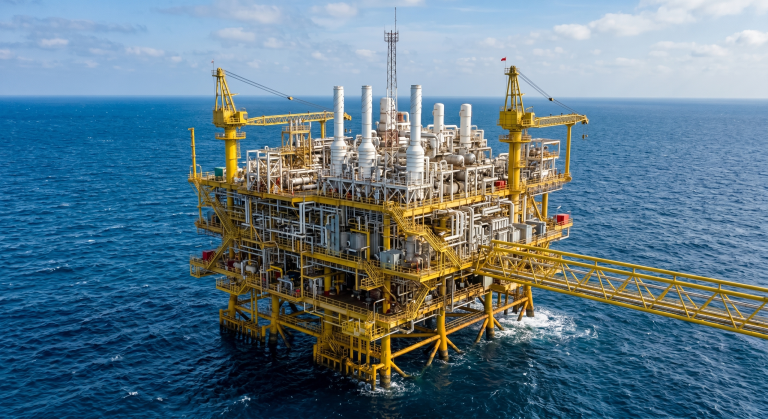
Oil & Gas / LNG
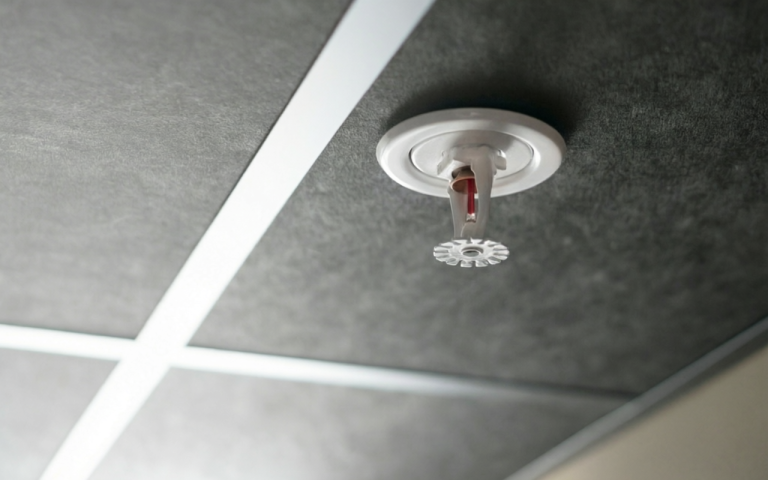
Fire Protection
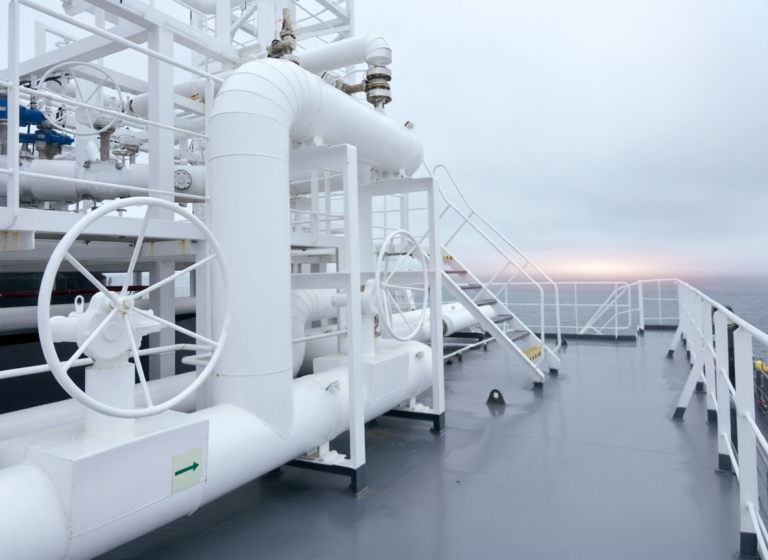
Shipbuilding & Marine
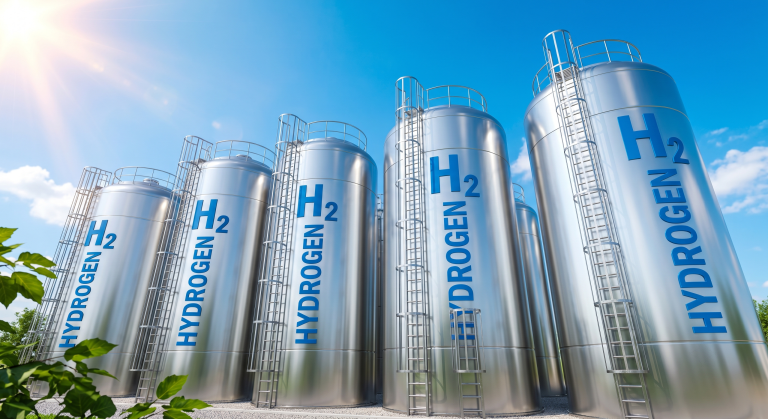
Power / CCUS / Hydrogen
Frequently Asked Questions About PIPENET
PIPENET is fast, accurate flow analysis software for piping networks and ducts, developed by Sunrise Systems. It has been the leading global standard tool for industrial piping system design for over 25 years.
- Standard — steady‑state flow analysis for liquids, gases, steam, and HVAC systems.
- Spray/Sprinkler — fire protection system design compliant with NFPA standards.
- Transient — water hammer, steam hammer analysis, and transient hydraulic force calculation.
The Spray/Sprinkler module complies with NFPA 13 (sprinkler systems), NFPA 15 (fixed spray systems), NFPA 16 (foam systems), and other national standards.
PIPENET is used worldwide in oil & gas, LNG, power generation, shipbuilding, petrochemicals, refining, fire safety engineering, CCUS, and hydrogen production — by organizations of all sizes.
PIPENET calculates: pipe sizing, pump selection based on manufacturer performance data, hydraulic analysis (Hazen‑Williams & Darcy‑Weisbach), cavitation simulation, flashing checks, orifice plate sizing, valve closure/pipe rupture scenarios, and force‑time history generation for FEA software.
Users may select between two standard methods: Hazen‑Williams (widely used for water and fire systems) and Darcy‑Weisbach (high accuracy for complex flow conditions).
Contact TrueTech — Official Distributor of PIPENET in Vietnam
Our team of specialized engineers provides demonstrations, implementation consulting, and training for your projects.

