
Finite Element Analysis for Offshore Pipeline Installation
OFFPIPE Software Features
Static and Dynamic Pipe Laying Analysis for Multiple Methods
- Supports both static analysis and dynamic analysis throughout the entire pipe laying process
- Simulates three primary laying methods: conventional lay, reel-lay, and J-lay
- Compatible with multiple lay barge configurations and stinger configurations
- Calculates pipe stress and deformation at every point during the installation process
Stress Calculation at Overbend and Sagbend Positions
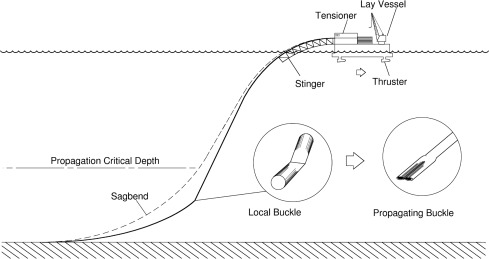
- Accurately calculates bending stress at the overbend position,where the pipe crosses the stinger on the vessel
- Analyzes stress at the sagbend position, where the pipe naturally curves between the vessel and seabed
- Supports optimization of curvature and lay angle at the stinger bridge
- Warns of stress locations exceeding allowable thresholds for structural safety assessment
Davit-Lift Analysis for Riser and Subsea Tie-In Installation
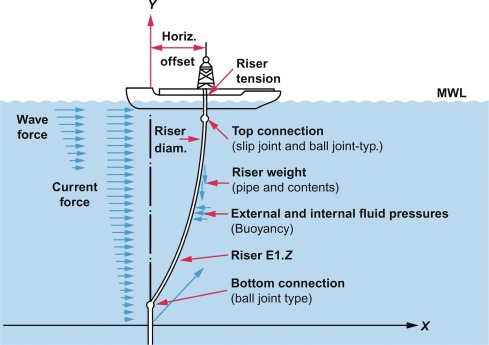
- Static analysis for the davit crane lifting process during riser construction
- Simulates lifting forces, pipe stress, and deformation throughout the riser installation sequence
- Supports calculation for subsea tie-in connection scenarios
- Assesses riser structural safety under real load conditions during installation
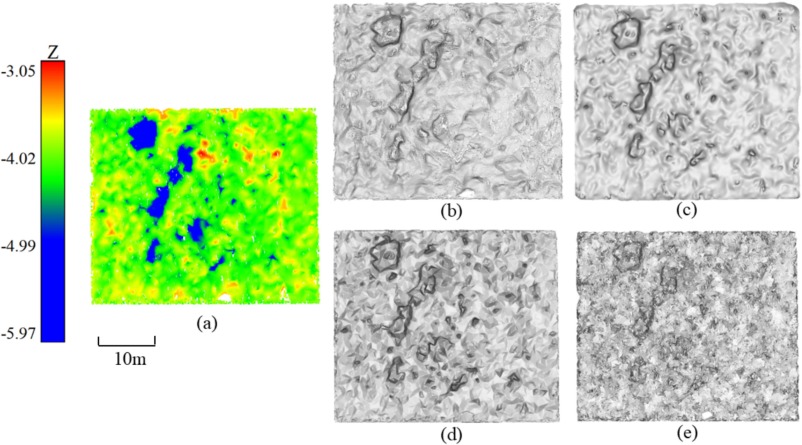
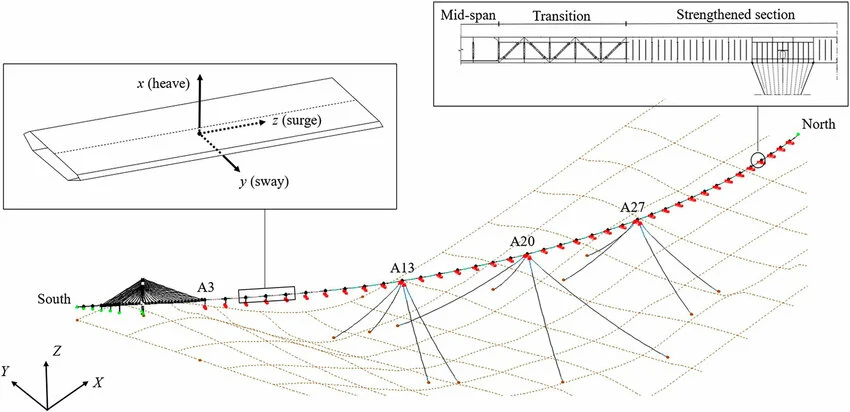
2D/3D Simulation for Various Seabed Terrains
- Supports simulation in both two dimensions (2D) and three dimensions (3D)
- Dynamic analysis for both flat and irregular, uneven seabed terrains
- Allows engineers to select model detail level appropriate to the design phase and project requirements
- Visual results enable rapid pipeline condition assessment across various terrain types
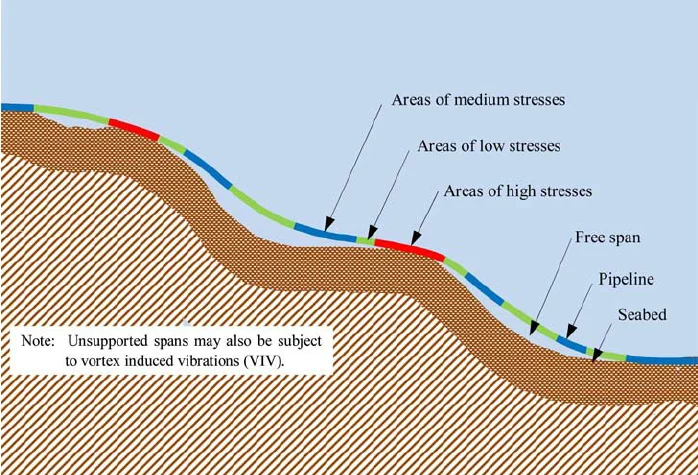
Static Free Span Analysis on Irregular Seabed
- Static pipe span analysis for pipe sections on irregular, uneven seabed terrain
- Determines free span length and deflection at each pipe location
- Evaluates stress and geometry deformation at free span locations
- Calculates internal forces at free spans for structural safety verification
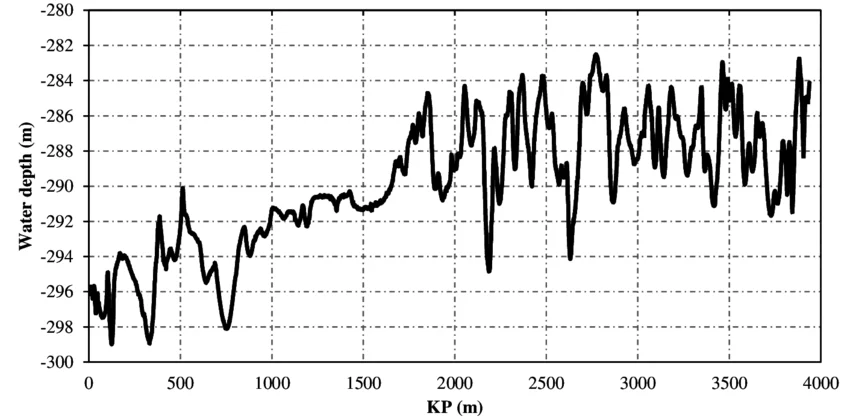
Seabed Profile Definition from Survey Data
- Define seabed profiles through (X,Y) coordinates representing elevation and measurement point positions
- Support import of real seabed survey data from field measurements
- Create accurate terrain models for static and dynamic analysis
- Link survey data directly to the analysis model without intermediate software conversion
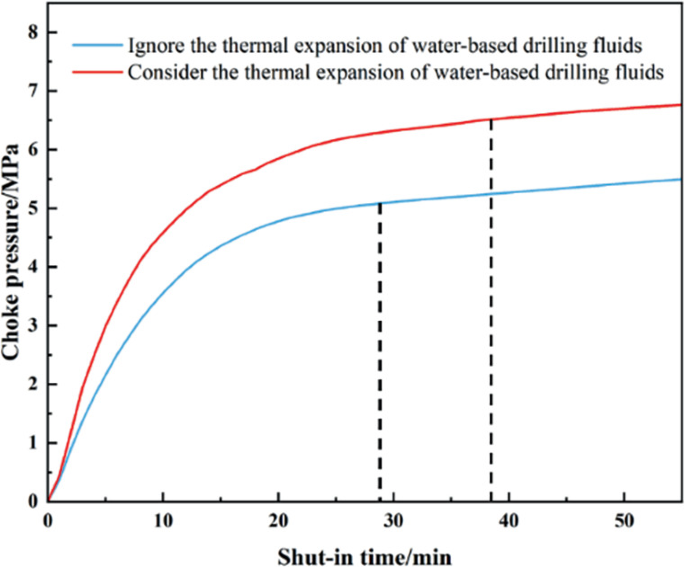
Internal Fluid Effects and Thermal Expansion Calculation
- References internal fluid effects inside the pipeline on loading and stress
- Calculates internal stress and external stress on the pipeline
- Simulates thermal expansion and its impact on pipe deformation and stress
- Synthesizes all loading factors into a single nonlinear analysis model
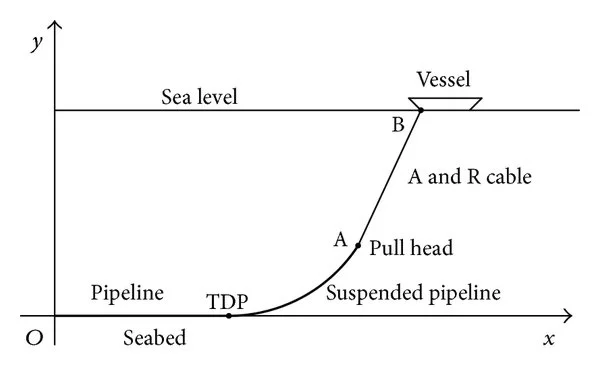
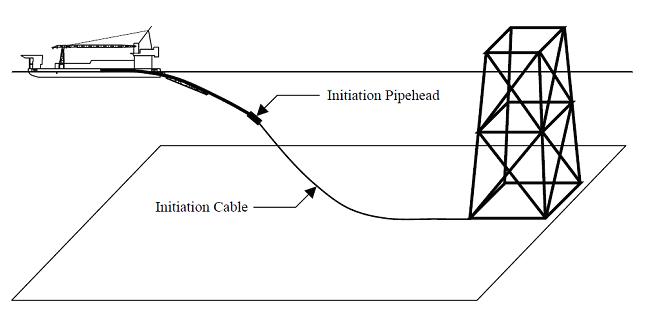
Pipelay Initiation, Abandonment and Recovery Analysis
- Analyzes the pipe laying initiation process, the phase when the first pipe section enters the water
- Simulates abandonment scenarios when temporary suspension or weather contingency response is needed
- Calculates the pipe recovery process for continued construction or repair operations
- Ensures pipeline structural safety during all transitional phases of the construction cycle
Core Values of Using OFFPIPE Software
Beyond its deep analysis feature set, OFFPIPE delivers tangible value to offshore pipeline design and construction workflows. Pre-construction simulation reduces risk, optimizes approaches, and supports data-driven decision-making.
Optimize Pipeline Design Before Field Execution
- Detailed pipe laying simulation on software before deploying vessels and equipment offshore
- Verify construction method feasibility with real terrain, vessel, and stinger parameters
- Reduce field modifications through accurate analysis data from the design phase
- Support comparison of multiple scenarios (conventional vs J-lay vs reel-lay) on a single model
Minimize Stress Risks and Pipeline Structural Failure
- Accurately identifies bending, shear, and combined stress locations exceeding allowable limits
- Detects free spans that may cause fatigue or pipeline structural failure
- Warns of overbend and sagbend zones at risk of exceeding design limits
- Provides technical data for safety assessment and construction method approval
Support Multiple Installation Methods in One Software
- Single software platform serving analysis for all three common pipe laying methods
- Compatible with various lay barge and stinger configurations
- No need to invest in separate software for each installation method
- Engineering teams only need to learn one interface and unified workflow
Enhance Technical Decision-Making with Data-Driven Insights
- Delivers detailed analysis results with specific figures: stress, deflection, span length, internal forces
- Exports technical reports for construction method presentations to clients and management
- Supports faster decision-making based on simulation data rather than experiential guesswork
- Analysis data is archivable for cross-reference and consultation on similar future projects
OFFPIPE License Structure and Software Packages
OFFPIPE is offered as a perpetual object code license with multiple analysis packages for customers to choose from based on actual usage needs.
Base Analysis Package
- Perpetual license, object code (single perpetual object code)
- Includes one of two options: static pipelay analysis or static pipe span analysis
- Suitable for engineering teams requiring basic static analysis tools
Add-On Packages
- Add-on options: pipelay, pipe span, dynamic pipelay
- Upgrade from static to dynamic analysis
- Module expansion by project phase or specific requirements
Annual Maintenance Package
- Includes user support and annual program updates
- New license includes 1 year of free maintenance
- Quotation valid for 3 months from date of issue
OFFPIPE Software Industry Applications
OFFPIPE serves projects with demanding pipeline structural analysis requirements, from oil & gas pipeline installation to riser construction and subsea tie-ins. Below are the primary application industries.
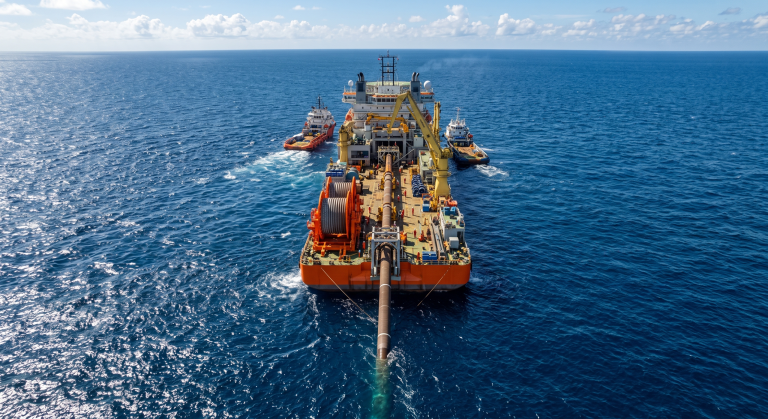
Offshore Oil & Gas Pipeline Installation
- Serves pipe laying analysis for offshore oil and gas pipeline projects
- Supports stress calculation and safety verification at all stages: initiation, laying, abandonment, recovery
- Compatible with various lay barge types and common stinger configurations on the market
- Applicable to pipelines on both flat seabeds and complex terrains
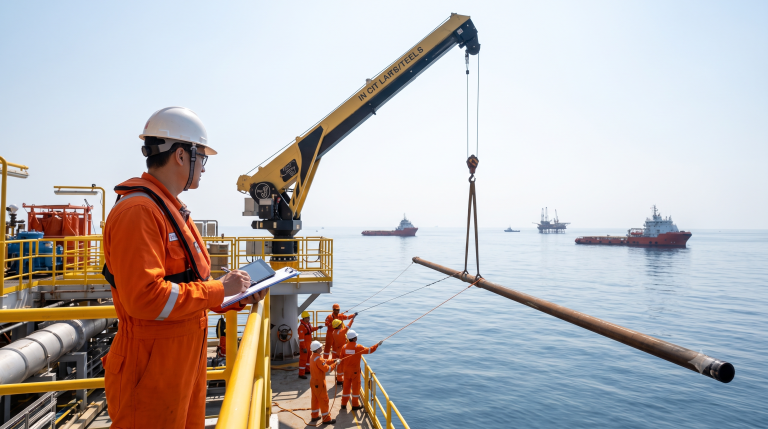
Riser Installation and Subsea Tie-In Connections
- Static analysis for riser lifting via davit crane from platforms or vessels
- Calculates riser stress and deformation throughout the lifting and installation sequence
- Supports simulation of subsea tie-in connection scenarios
- Ensures riser structural safety before approving actual field installation methods
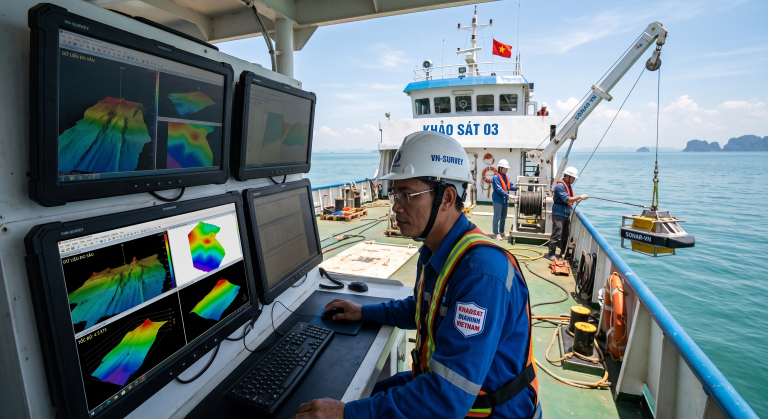
Seabed Survey and Terrain Mapping
- Direct import of seabed survey data (X,Y coordinates) from field measurements into the software
- Creates accurate seabed terrain models for static and dynamic analysis
- Supports assessment of irregular terrain impacts on pipeline stress and free spans
- See other software products from TrueTech for complementary survey solutions
Frequently Asked Questions About OFFPIPE Software
OFFPIPE is a computer program based on the Finite Element Method (FEM), developed specifically for modeling and structural analysis of nonlinear problems in offshore pipeline installation and operation. The software is not a general-purpose analysis tool, it is optimized for the specific problems of the offshore pipeline industry, including pipe laying, free spans, riser lifting, and subsea tie-ins.
OFFPIPE supports three primary pipe laying methods: conventional lay, reel-lay, and J-lay. Each method is analyzed in both static and dynamic modes, with compatibility for various lay barge and stinger configurations. The software also supports pipelay initiation, abandonment, and recovery analysis for the complete construction cycle.
Yes. OFFPIPE supports simulation in both two dimensions (2D) and three dimensions (3D). The 3D model enables detailed analysis of complex scenarios, particularly useful when pipelines traverse irregular seabed terrain or when three-dimensional stress evaluation is required.
The OFFPIPE license is perpetual (perpetual object code), including one base static analysis package (pipelay or pipe span). Customers can add optional packages: pipelay, pipe span, and dynamic pipelay. A new license includes 1 year of free maintenance covering user support and program updates. Quotation validity is 3 months. Contact TrueTech for detailed pricing.
Yes. OFFPIPE can reference internal fluid effects on pipeline loading and stress, calculate both internal and external pipeline stress, and simulate thermal expansion behavior. These factors are integrated into the nonlinear analysis model, ensuring results reflect real operating conditions.
OFFPIPE is suitable for offshore pipeline installation projects in the oil & gas, marine engineering, and subsea infrastructure sectors. Primary users include pipeline design engineers, offshore construction engineers, and project managers who require in-depth analysis tools for construction method approval. See more about engineering software solutions from TrueTech.

