PHAST DNV

Plant Incident Simulation
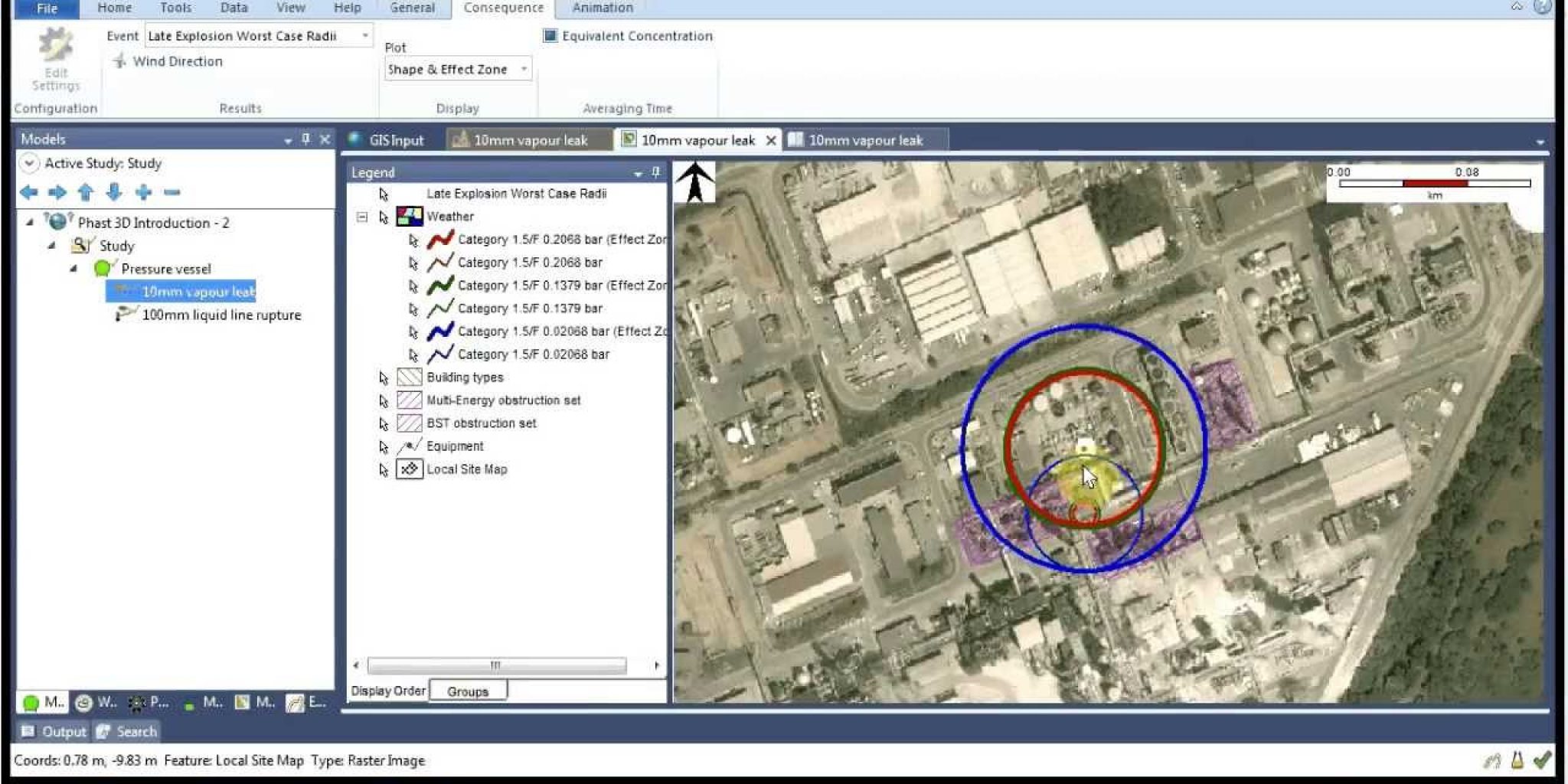
PHAST (Process Hazard Analysis Software Tool) is a consequence modelling solution developed and maintained by DNV — the world’s leading risk management organization — for over 30 years. It is used in more than 80 countries by major oil and gas, chemical, and engineering companies worldwide.

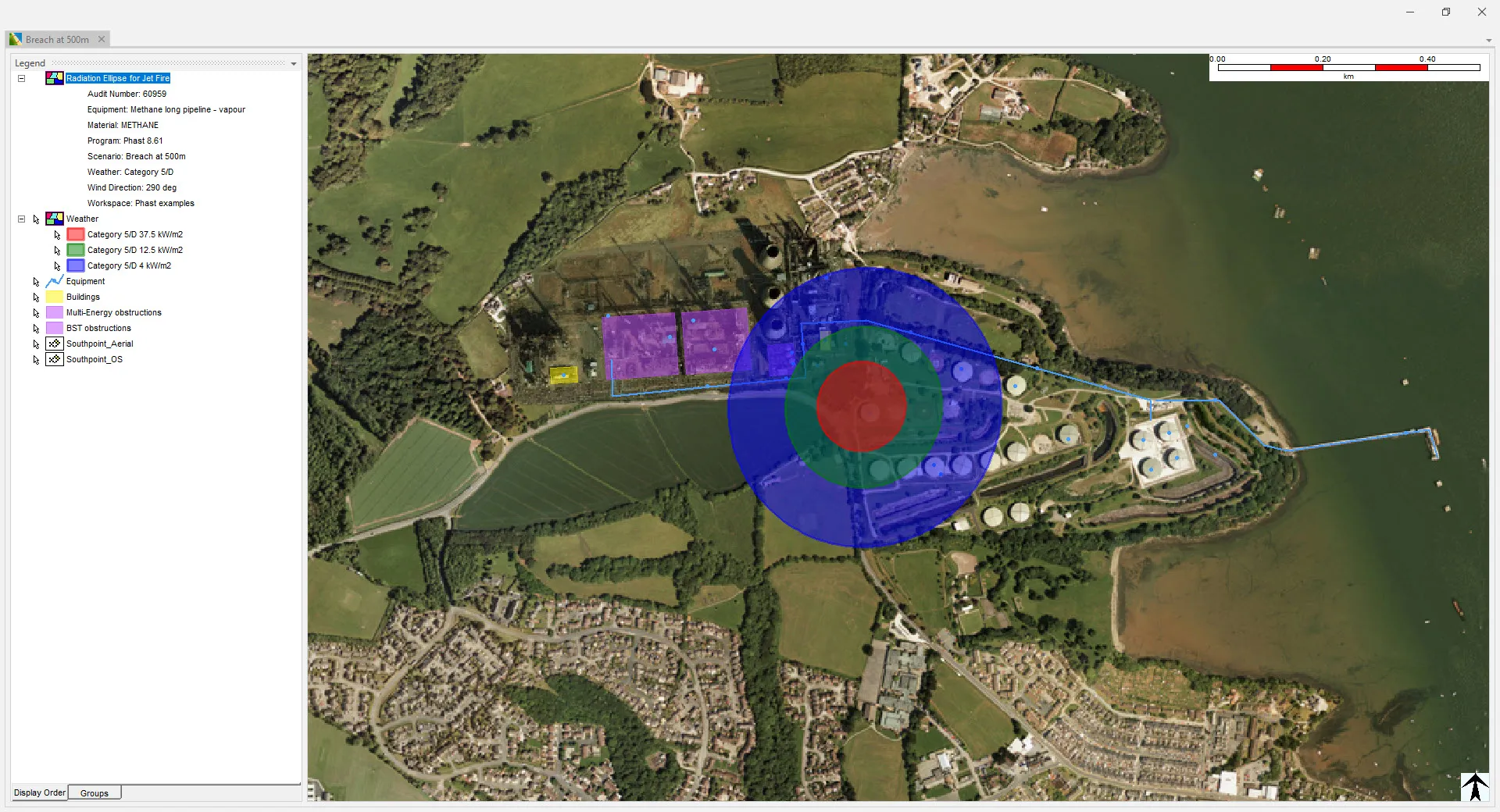
Phast-screenshot

Core Values PHAST Brings to Your Project

Every function in PHAST is designed with one goal: to help engineers assess incident consequences faster, more accurately, and in compliance with international standards.

Reduce Design Risks from Early Stages

PHAST enables engineers to run consequence simulations as early as the Front‑End Engineering Design (FEED) phase, identifying hazards before detailed design begins. Modifying plant layouts at this preliminary stage costs up to 10 times less than making changes after construction (based on the principle of inherent safety design; reference: Kletz, Process Plants: A Handbook for Inherently Safer Design, 2nd Edition, 2010). PHAST provides quantitative consequence data to support these critical decisions.

Compliance with International Standards

PHAST is engineered to meet global technical standards for process risk assessment, including API 521 (pressure relieving and depressurizing systems), IEC 61511 (functional safety for safety instrumented systems), EN 1473 (installation and equipment for LNG), NFPA 59A (LNG standard), and the guidelines from the Dutch Committee for the Prevention of Disasters (CPR). Calculation results from PHAST are accepted by regulatory bodies and certification organizations worldwide. This helps businesses in Vietnam satisfy requirements set forth in inter‑ministerial circulars on chemical safety and relevant Vietnamese National Standards (TCVN) when preparing risk assessment dossiers.

Integrated Chemical Database with Over 250 Substances

PHAST comes with a built‑in chemical database containing more than 250 common substances used in the oil & gas, chemical, and LNG industries — including physical, thermodynamic, and combustion properties. Engineers avoid manual data entry from external sources, reducing potential errors and saving hours spent preparing simulation inputs.

Seamless Integration with QRA & HAZOP Workflows

PHAST does not operate as a standalone tool — it is designed to integrate seamlessly with DNV’s Quantitative Risk Assessment (QRA) tools such as Safeti. Consequence results generated in PHAST (impact radii, radiation levels, overpressure values) are transferred directly into Safeti for frequency analysis and calculation of individual and societal risk levels. Additionally, PHAST data can be exported for use in other analysis tools to support Hazard Identification (HAZID), Hazard and Operability (HAZOP) studies, and the development of plant safety reports.

Fully Validated Unified Dispersion Model (UDM)

PHAST’s Unified Dispersion Model (UDM) has been developed over decades, grounded in published physical theories and validated against experimental data from large‑scale field trials (including Thorney Island, Maplin Sands, Burro, Coyote, and others). UDM continuously models the entire sequence: release → dispersion → fire/explosion within a single framework. This ensures physical consistency and reduces cumulative errors compared to approaches that link separate, disconnected models.

Key Technical Features of PHAST

A comprehensive suite for incident consequence modelling — from gas leaks to high‑pressure explosions — built on fundamental physics and validated through real‑world testing.

Gas & Vapour Dispersion

Gas & Vapour Dispersion Modelling

PHAST simulates the dispersion of toxic and flammable gases released from sources such as pipelines, storage tanks, pressure relief valves, and punctures. The UDM handles all release types (continuous, instantaneous, transient) and calculates concentration as a function of distance, while accounting for atmospheric conditions (wind speed, atmospheric stability class, temperature), terrain characteristics, and heavy gas behaviour.
Thermal Radiation from Fire Calculations

Thermal Radiation Calculation from Fires
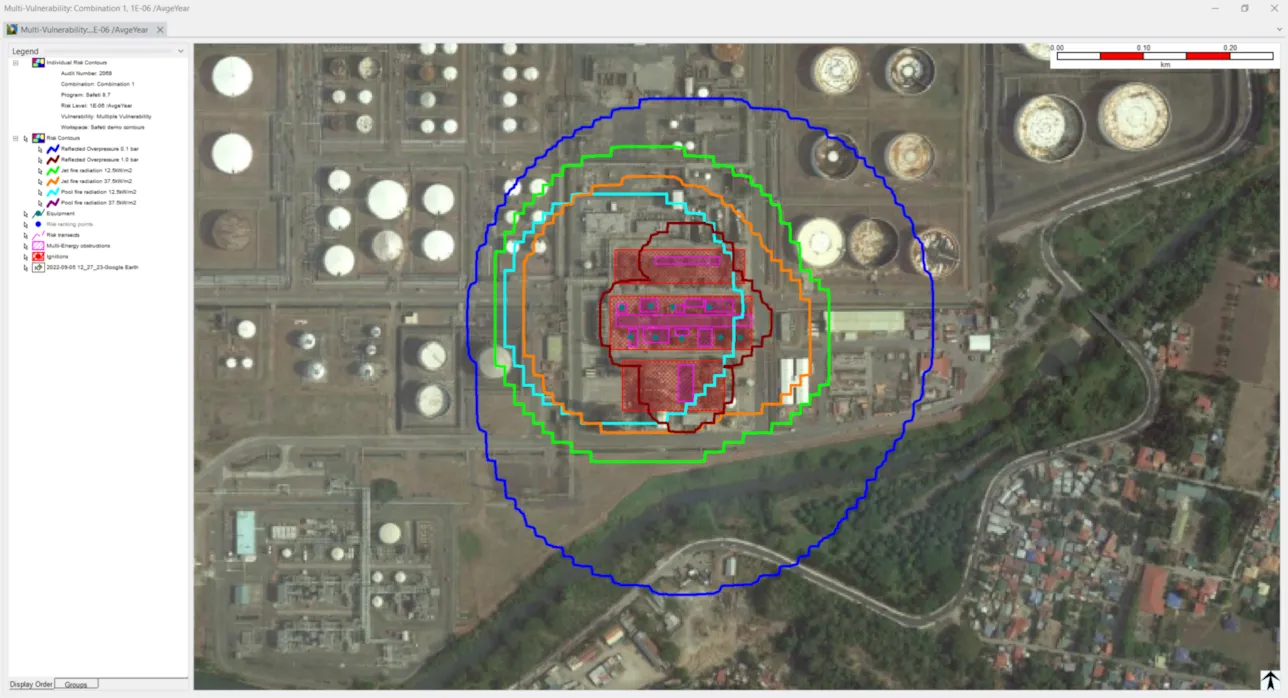
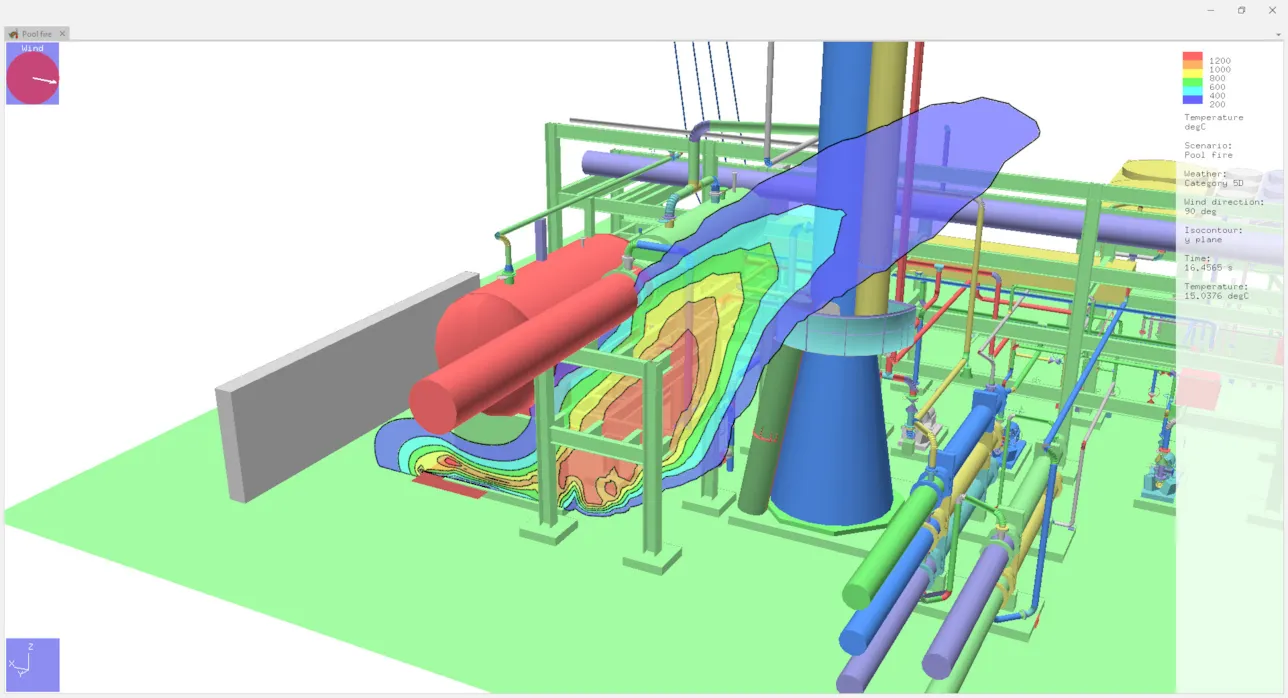
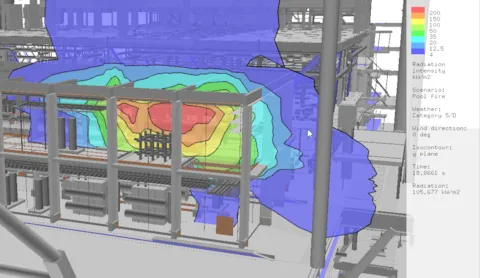
PHAST computes thermal radiation levels resulting from four primary fire scenarios: jet fires (from high‑pressure punctures), pool fires (from spilled liquids), fireballs (from rapid pressure release), and flash fires. The software determines distances corresponding to 1st/2nd/3rd‑degree burns and equipment damage thresholds, based on thermal radiation criteria (kW/m²) at various distances.
Explosion Overpressure Prediction (VCE & BLEVE)
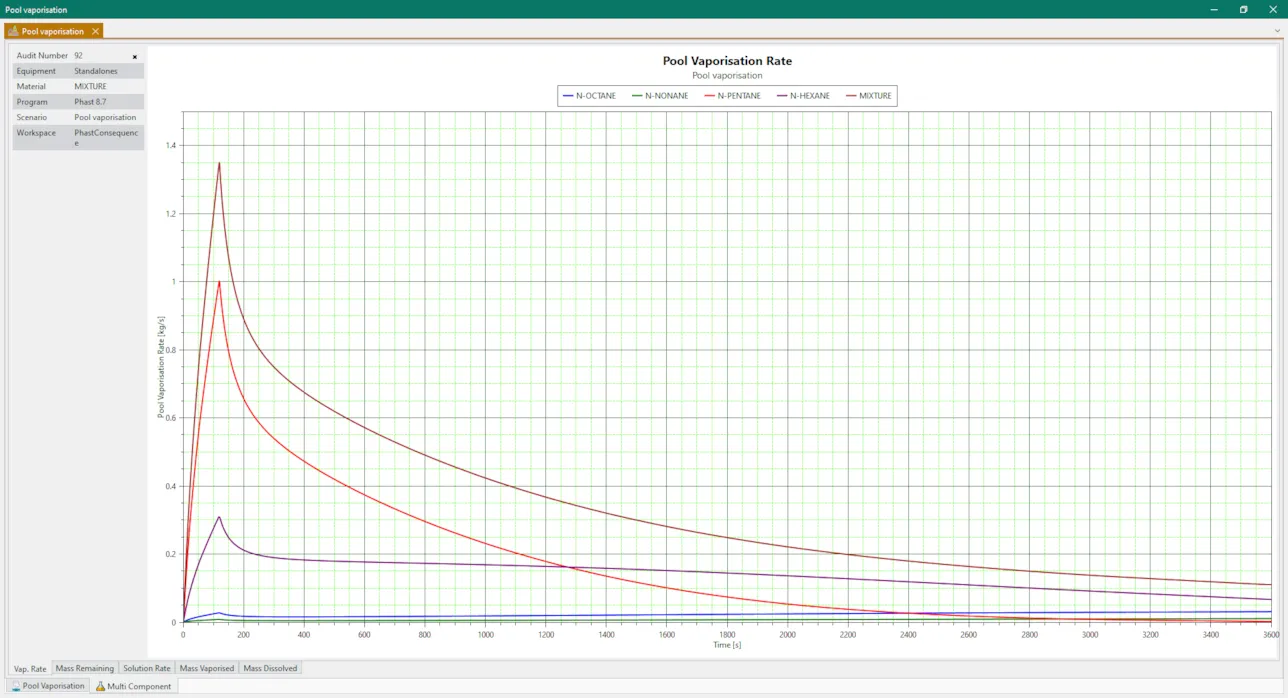
Explosion Overpressure Prediction (VCE & BLEVE)

PHAST calculates overpressure effects from Vapour Cloud Explosions (VCE) and Boiling Liquid Expanding Vapour Explosions (BLEVE). Outputs include pressure‑distance curves, structural damage radii, and human injury thresholds. Modelling for confined explosions and explosion venting design is also supported for enclosed spaces.
Toxic Dose Calculation & Probit Functions
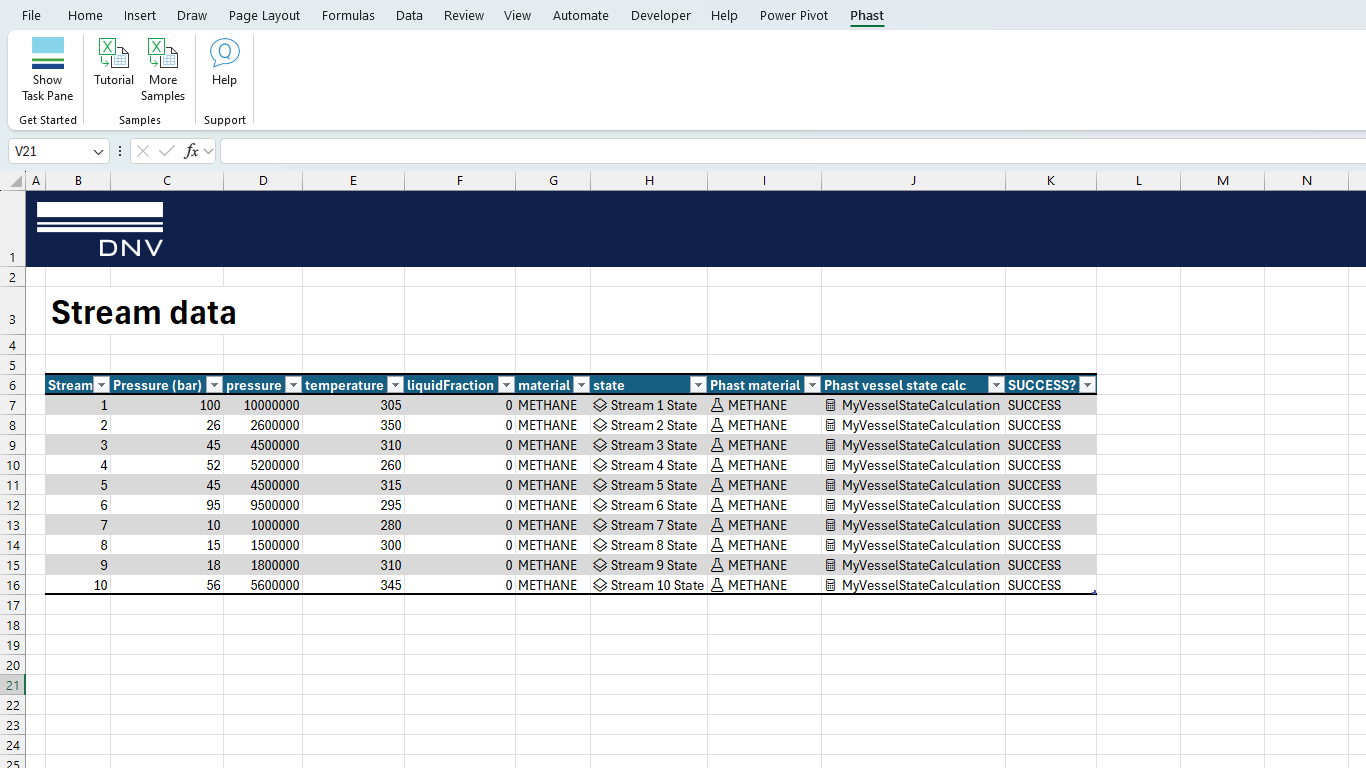
Toxic Dose Calculation & Probit Functions

For releases of toxic substances (H₂S, NH₃, Cl₂, SO₂, and others), PHAST calculates toxic dose based on concentration and exposure duration. It applies probit functions derived from established models (Haber’s law, ten Berge) to estimate human injury or fatality probabilities at given distances. These results define exclusion zones and support emergency response planning.
Multi‑Format Result Export & Reporting
Multi‑Format Result Export & Reporting

PHAST allows users to export outputs in multiple formats: data tables (CSV/Excel), plots (distance vs. radiation/concentration/overpressure), contour maps (Shapefile, KML), and customizable PDF reports. This makes it straightforward for engineers to incorporate results into HAZOP studies, risk assessment reports, and project presentations.
Drag‑and‑Drop Interface & Visual Modelling

Drag‑and‑Drop Interface & Visual Modelling

PHAST features an intuitive graphical interface that enables engineers to build incident scenarios by dragging and dropping release sources, defining atmospheric conditions, and specifying assessment targets. Results update in real time as parameters are adjusted, speeding up the iterative design and optimization process.

Industries Served by PHAST

From refineries to LNG terminals, PHAST is the standard tool for every project requiring process incident consequence assessment.
Oil & Gas / Offshore
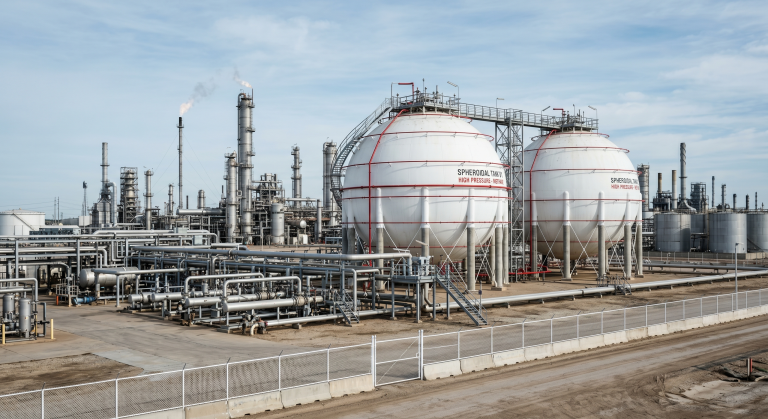
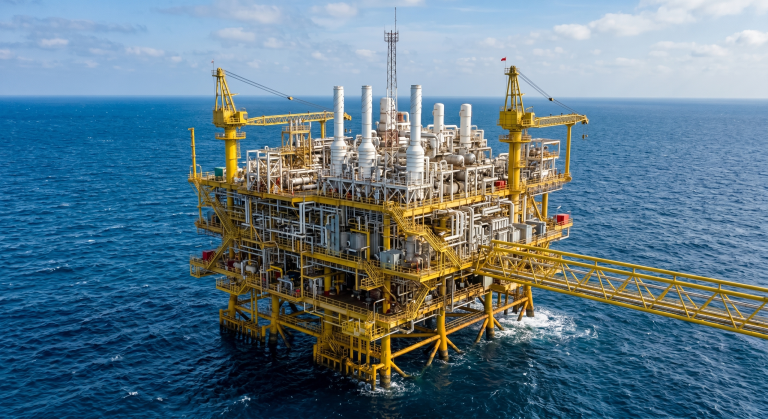
PHAST is widely used in the design and operation of offshore platforms, gas processing plants, oil and gas transmission pipelines, and refineries. Typical scenarios modelled include: hydrocarbon leaks, jet fires from blowouts, vapour cloud explosions on offshore installations, and calculation of exclusion zones for visiting vessels.

Chemical & Petrochemical

Chemical plants, olefin facilities, fertilizer production sites, and polymer processing plants use PHAST to assess consequences from chemical release incidents, define safety exclusion zones, and meet regulatory requirements for safety reporting. Commonly modelled substances include ammonia, chlorine, ethylene oxide, and styrene.

Liquefied Natural Gas (LNG)

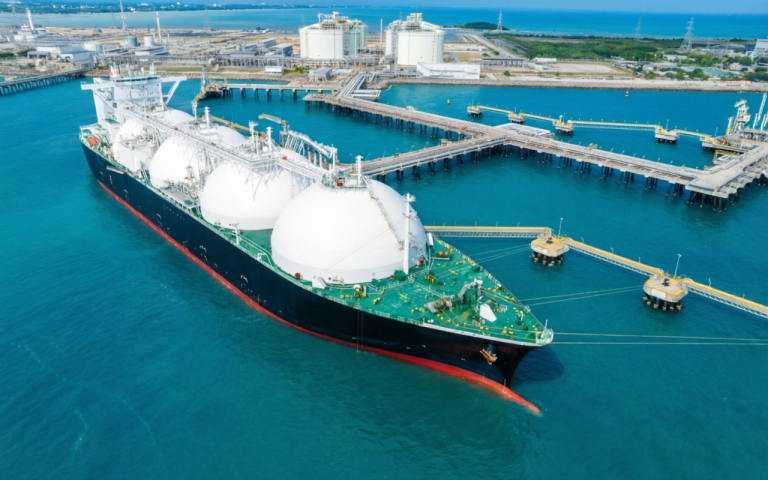
PHAST is the industry standard tool for risk assessment at LNG liquefaction plants, storage facilities, receiving terminals, and carrier vessels. It simulates unique scenarios such as LNG spills forming liquid pools → evaporation → flammable gas dispersion → flash fires or pool fires, and calculates hazard zones in compliance with NFPA 59A and EN 1473 standards.

Power & Energy

Natural‑gas‑fired power plants, coal‑fired facilities, and hydrogen storage installations use PHAST to evaluate consequences from fuel gas leaks, hydrogen explosions, and turbine fires. It is especially critical for the safe design of hydrogen power plants within the context of the global energy transition.

Pipeline Transport & Storage

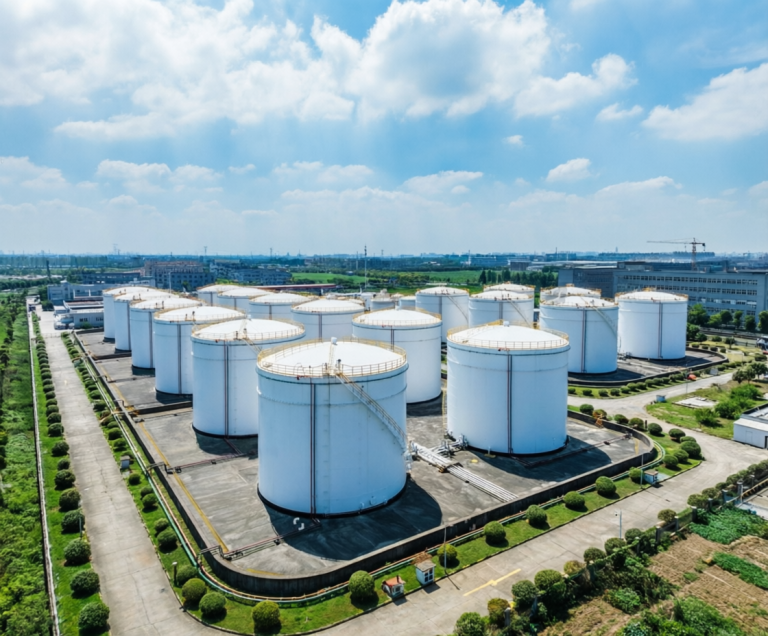
Long‑distance oil and gas pipeline projects, as well as gasoline and chemical storage terminals, use PHAST to analyse consequences from leaks or ruptures, define safe separation distances along routes, and plan the placement of leak detection sensors.

Frequently Asked Questions About PHAST

PHAST is a consequence modelling tool developed in‑house by DNV, built on the decades‑long validated physics of the Unified Dispersion Model (UDM). Key differentiators are: (1) it is the only model that continuously handles the full chain: dispersion → fire → explosion; (2) it includes a comprehensive, built‑in chemical database; (3) it transfers results directly into Safeti for Quantitative Risk Assessment (QRA); and (4) it is recognized and accepted by regulatory authorities worldwide.

Nearly 30 years of experience providing industrial engineering solutions VAT invoices issued — transparent licensing contracts Authorized distribution partner of DNV in Vietnam